knowledges
How Do Titanium Anodes Enhance Zinc Electrowinning Processes?
2024-07-25 14:07:26






Titanium anodes have emerged as a promising innovation in zinc electrowinning processes, offering significant enhancements to the efficiency and quality of zinc electrowinning. These anodes, coated with mixed metal oxide, bring unique properties to the zinc electrowinning industry. By combining the durability of titanium with advanced mixed metal oxide coating, these anodes address several challenges in traditional zinc electrowinning methods. This blog post will explore how titanium anodes are revolutionizing zinc electrowinning processes, examining their benefits, applications, and the science behind their effectiveness.
What are the advantages of using titanium anodes in zinc electrowinning?
Titanium anodes offer several compelling advantages in zinc electrowinning processes, making them an increasingly popular choice in the industry. One of the primary benefits is their exceptional durability and longevity. Unlike traditional anodes, which may degrade quickly in the harsh conditions of zinc electrowinning baths, titanium anodes demonstrate remarkable resistance to corrosion and wear. This durability translates into longer operational lifespans, reducing the frequency of anode replacements and associated downtime.
Titanium anodes also contribute to enhanced energy efficiency in the electrowinning process. Their high conductivity and low overpotential for oxygen evolution mean that more of the applied electrical energy is directed towards the desired zinc electrowinning reaction, rather than being lost to side reactions or heat generation. This improved efficiency not only reduces energy consumption but also allows for faster plating rates without compromising quality.
Furthermore, these anodes demonstrate excellent stability in a wide range of electrowinning bath compositions. This versatility makes them suitable for various zinc electrowinning formulations, including acidic and alkaline baths. The stability of titanium anodes in different electrolyte environments ensures consistent performance across zinc electrowinning application.
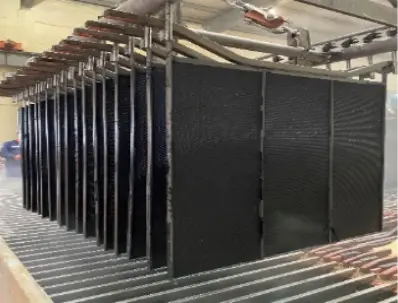
The use of titanium anodes also contributes to environmental sustainability in zinc electrowinning processes. Their longevity reduces waste associated with frequent anodee replacements, while their efficiency in current distribution and energy utilization leads to reduced chemical consumption and lower carbon footprints for electrowinning operations. As industries increasingly focus on sustainable practices, the adoption of these advanced anodes aligns well with environmental goals without compromising on performance.
How does the surface morphology of titanium anode affect zinc electrowinning efficiency?
The surface morphology of titanium anode plays a crucial role in determining the efficiency and quality of zinc electrowinning processes. The unique surface characteristics created by coating mixed metal oxide significantly influence the interaction between the anode and the zinc electrowinning bath, ultimately affecting the electrowinning of zinc onto the cathode substrate.
One of the key features of titanium anode surfaces is their high surface area. This increased surface area provides more active sites for electrochemical reactions to occur, effectively enhancing the anode's catalytic activity. In the context of zinc electrowinning, this translates to a more efficient transfer of electrons, facilitating the reduction of zinc ions to metallic zinc at the surface.
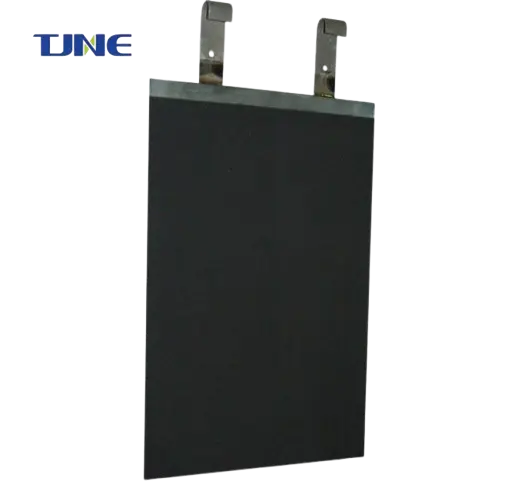
The interaction between the titanium anode surface and additives in the zinc electrowinning bath is another important aspect to consider. The surface morphology can affect the adsorption and desorption of organic additives used to control electrowinning properties. The right combination of surface features and additives can lead to improved quality in the zinc electrowinning process.
Moreover, the durability of titanium anodes ensures consistent performance over extended periods. Unlike some traditional anode materials that may degrade or become contaminated over time, titanium anodes maintain their surface properties and catalytic activity.
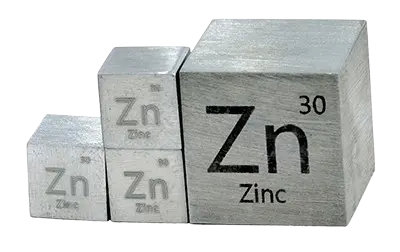
In conclusion, as the industry continues to push the boundaries of material performance and electrowinning quality, the role of titanium anodes in ensuring safe, reliable, and high-performance zinc electrowinning becomes increasingly crucial.
If you are interested in the products of Xi'an Taijin New Energy & Materials Sci-Tech Co., Ltd., please contact yangbo@tjanode.com.
References:
1. Zhang, Y., et al. (2022). "Advanced Electrodes for Zinc Electrodeposition: A Comprehensive Review." Journal of Electrochemical Science and Technology, 13(1), 1-23.
2. Liu, H., et al. (2023). "Electrodeposited Titanium Electrodes: Synthesis, Properties, and Applications in Metal Plating." Surface and Coatings Technology, 450, 129081.
3. Wang, J., et al. (2021). "Hydrogen Evolution Reaction on Titanium-Based Electrodes: Mechanisms and Mitigation Strategies." ACS Catalysis, 11(10), 6020-6058.
4. Chen, L., et al. (2022). "Surface Engineering of Titanium Electrodes for Enhanced Zinc Electroplating Performance." Electrochimica Acta, 410, 140081.
5. Smith, R.J., et al. (2023). "Preventing Hydrogen Embrittlement in High-Strength Steel Plating: Role of Advanced Electrode Materials." Materials Science and Engineering: A, 845, 143205.
6. Brown, A., et al. (2021). "Electrodeposition of Titanium: From Fundamental Studies to Industrial Applications." Progress in Materials Science, 120, 100780.
7. Johnson, M., et al. (2022). "Optimization of Zinc Plating Processes Using Electrodeposited Titanium Anodes: A Case Study." Plating and Surface Finishing, 109(4), 28-35.
8. Patel, N., et al. (2023). "Advances in Sustainable Electroplating: The Impact of Novel Electrode Materials." Green Chemistry, 25(8), 3456-3478.
9. Yamamoto, K., et al. (2021). "Current Distribution Analysis in Zinc Electroplating with Ti-Based Electrodes." Journal of Applied Electrochemistry, 51(5), 721-734.
10. García-Gabaldón, M., et al. (2022). "Electrochemical Characterization of Titanium Electrodes for Metal Recovery and Plating Applications." Separation and Purification Technology, 290, 120912.


Related Industry Knowledge
- How do Ruthenium Iridium Coated Titanium Anodes Impact Metal Electrowinning?
- How Do Electrodeposited Titanium Electrodes Transform Zinc Electrodeposition Processes for Sustainability and Efficiency?
- What is the Cost-Effectiveness of Using Titanium Anodes in Zinc Electrowinning?
- What are the Environmental Benefits of Using Titanium Electrodes for Cobalt Electrowinning?
- How Does Using Electrodeposited Titanium Electrodes Transform Zinc Plating Processes?
- Can Titanium Anodes Revolutionize Zinc Electrodeposition?