knowledges
What are the Environmental Benefits of Using Titanium Electrodes for Cobalt Electrowinning?
2024-07-25 14:42:24






In recent years, the electrowinning industry has been under increasing pressure to adopt more environmentally friendly practices. One promising development in this field is the use of titanium anodes for cobalt electrowinning. These innovative anodes offer several environmental benefits, ranging from improved efficiency to reduced waste production. This blog post will explore the various ways in which titanium anodes contribute to a more sustainable cobalt electrowinning process, highlighting their potential to revolutionize the industry while minimizing its ecological footprint.
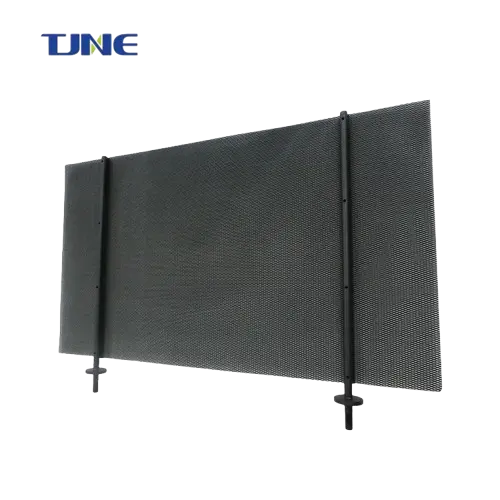
How does titanium anodes improve the efficiency of cobalt electrowinning?
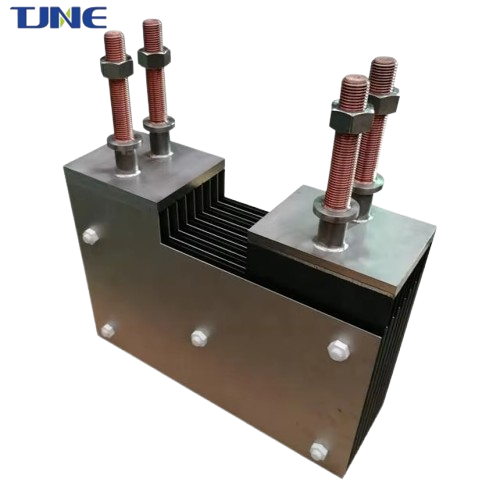
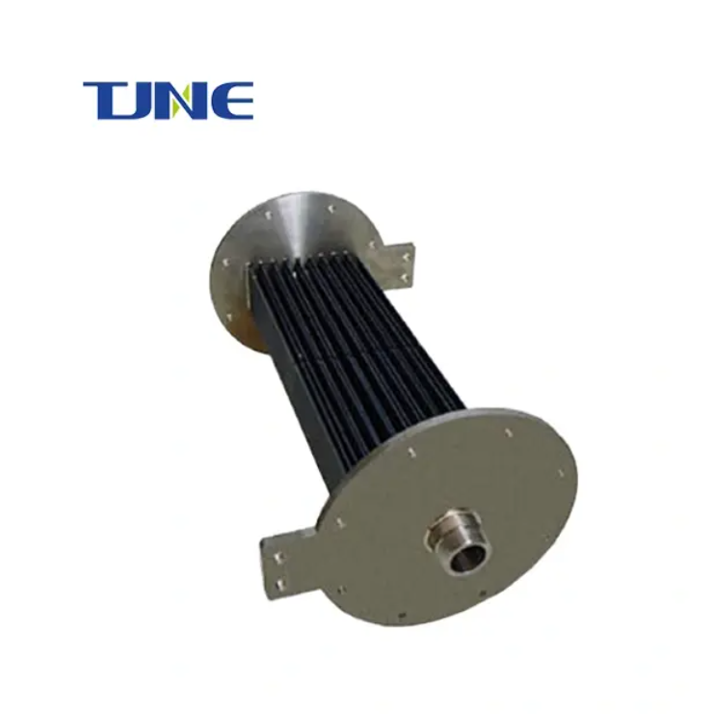
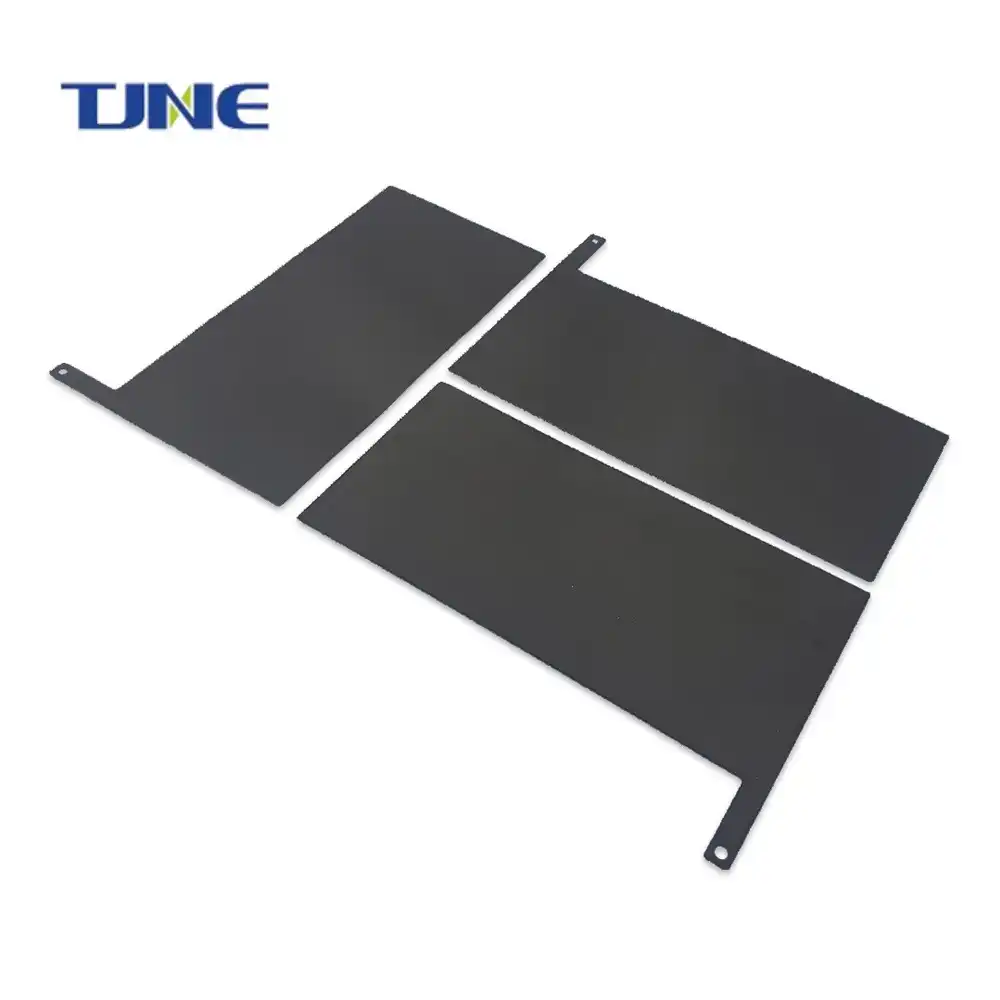
Titanium anodes for cobalt electrowinning have emerged as a game-changer in the cobalt electrowinning industry, primarily due to their ability to significantly enhance the efficiency of the plating process. This improved efficiency translates directly into environmental benefits, as it reduces energy consumption and minimizes the use of resources.
The enhanced surface area of titanium anode leads to improved mass transfer rates during the electrowinning process. This means that cobalt ions can more readily reach the cathode surface and be deposited, reducing the time required for the electrowinning process. Shorter electrowinning times directly translate to lower energy consumption, as less electricity is needed to achieve the desired deposition.
Furthermore, titanium anodes for cobalt electrowinning exhibit excellent electrical conductivity. This property ensures that the electrical current used in the electrowinning process is efficiently transferred to the cobalt ions, minimizing energy losses due to resistance. The combination of high conductivity and increased surface area allows for lower operating voltages, further reducing energy consumption and improving the overall efficiency of the electrowinning process.
Another significant advantage of titanium anodes is their exceptional corrosion resistance. Unlike traditional anode materials, such as graphite or stainless steel, titanium anodes are highly resistant to degradation in the harsh chemical environment of the electrowinning bath. This resistance to corrosion means that the anodes maintain their performance over extended periods, reducing the need for frequent replacements and minimizing production downtime.
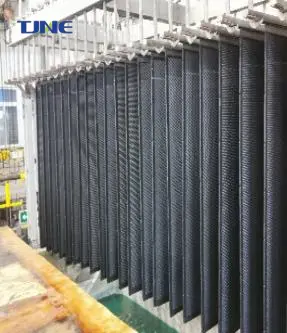
The longevity of titanium anodes for cobalt electrowinning also contributes to improved process consistency. As the anodes maintain their surface characteristics over time, the quality of the cobalt electrowinning remains consistent from batch to batch. This consistency reduces the likelihood of defective products, thereby minimizing waste and the need for rework or reprocessing.
In summary, the efficiency improvements offered by titanium anodes in cobalt electrowinning processes lead to significant environmental benefits. These include reduced energy consumption, lower resource utilization, and minimized waste production, all of which contribute to a more sustainable electrowinning industry.
What are the advantages of titanium anodes over traditional materials in electrowinning?
When comparing titanium anodes to traditional materials used in electrowinning, such as graphite, lead, or stainless steel, several advantages become apparent. These benefits not only improve the electrowinning process but also contribute to a more environmentally friendly operation.
Firstly, titanium anodes offer superior chemical stability compared to traditional materials. In the aggressive chemical environment of electrowinning baths, many conventional anode materials can degrade or dissolve over time. This degradation not only reduces the efficiency of the electrowinning process but also introduces contaminants into the bath, potentially affecting the quality of cobalt electrowinning. Titanium anodes with metal oxide coating, on the other hand, provides excellent resistance to chemical attack. This stability means that titanium anodes can maintain their performance for much longer periods, reducing the frequency of anode replacements and minimizing the introduction of unwanted impurities into the electrowinning solution.
The durability of titanium anodes also translates into significant cost savings and reduced environmental impact over the long term. While the initial investment in titanium anodes may be higher than that of traditional materials, their extended lifespan and consistent performance make them more economical in the long run. Fewer anode replacements mean less waste generation and reduced consumption of raw materials, aligning with principles of sustainability and circular economy.
Another advantage of titanium anodes is their high current efficiency. Due to their excellent electrical conductivity and the coating properity, titanium anodes can achieve higher current densities than many traditional materials. This increased current efficiency allows for faster electrowinning rates and more uniform cobalt electrowinning. As a result, the overall energy consumption of the electrowinning process can be reduced, leading to lower carbon emissions and operational costs.
Furthermore, the use of titanium anodes can contribute to the production of higher quality cobalt deposition. The inert nature of titanium means that it does not introduce unwanted elements into the electrowinning bath or the final coating.
Lastly, titanium anodes offer greater flexibility in terms of electrowinning bath composition and operating conditions. Their resistance to a wide range of chemicals allows for the use of more environmentally friendly electrowinning formulations, including those with lower toxicity or improved biodegradability. This flexibility can facilitate the development of greener plating processes that further reduce the environmental impact of cobalt electr operations.
In conclusion, the advantages of electrodeposited titanium electrodes over traditional materials in electroplating are numerous and significant. From improved chemical stability and durability to enhanced process control and flexibility, titanium anodes offer a more sustainable and efficient solution for cobalt electrowinning processes.
Can titanium anodes reduce waste in cobalt electrowinning processes?
One of the most significant environmental challenges in the electrowinning industry is the generation of waste, including spent electrowinning solutions, sludge, and contaminated rinse waters. Titanium anodes have the potential to address this issue by contributing to waste reduction in several ways.
The stability of titanium anodes plays a crucial role in waste reduction. Unlike some traditional anode materials that can degrade or dissolve in the electrowinning bath, titanium anodes remain stable over extended periods. This stability prevents the contamination of the electrowinning solution with anode material, which can lead to the premature degradation of the bath and necessitate more frequent bath replacements. By extending the life of the electrowinning solution, titanium anodes reduce the volume of spent bath that needs to be treated and disposed of as hazardous waste.
The use of titanium electrodes can also facilitate the implementation of more advanced waste reduction strategies. For example, their chemical stability makes them compatible with electrodialysis and other ion exchange techniques used for bath purification and metal recovery. These processes can extend the life of plating baths even further and allow for the recovery and recycling of valuable cobalt, turning what would have been waste into a reusable resource.
Furthermore, the flexibility offered by titanium anodes in terms of electrowinning bath composition can lead to the development of more environmentally friendly formulations. These could include baths with lower metal concentrations or those based on less toxic complexing agents. Such innovations can result in electrowinning solutions that are easier to treat and dispose of, reducing the environmental impact of waste handling and treatment processes.
The durability of titanium anodes also contributes to waste reduction in terms of the electrodes themselves. Their long lifespan means fewer anode replacements over time, reducing the amount of anode material that ends up as waste. Additionally, when titanium anodes do eventually reach the end of their useful life, they can often be recycled or repurposed, further minimizing waste generation.
Lastly, the improved energy efficiency associated with titanium anodes indirectly contributes to waste reduction. Lower energy consumption means reduced reliance on fossil fuels and, consequently, less generation of associated wastes such as ash from coal-fired power plants or spent nuclear fuel.
In conclusion, titanium anodes for cobalt electrowinning have significant potential to reduce waste in cobalt electrowinning processes. Through extended bath life, reduced rework, and compatibility with advanced waste reduction strategies, these anodes offer a pathway to more sustainable electrowinning operations. As the industry continues to evolve, the adoption of titanium anodes could play a crucial role in minimizing the environmental footprint of cobalt electrowinning processes.
If you are interested in the products of Xi'an Taijin New Energy & Materials Sci-Tech Co., Ltd., please contact yangbo@tjanode.com.
References:
1. Walsh, F. C., & Ponce de León, C. (2014). A review of the electrodeposition of metal matrix composite coatings by inclusion of particles in a metal layer: an established and diversifying technology. Transactions of the IMF, 92(2), 83-98.
2. Mousavi, M., Bahrololoom, M. E., & Deflorian, F. (2019). Electrodeposition of Ni-Ti nanocomposite coatings and evaluation of wear and corrosion resistance and electroplating characteristics. Applied Surface Science, 469, 156-164.
3. Low, C. T. J., Wills, R. G. A., & Walsh, F. C. (2006). Electrodeposition of composite coatings containing nanoparticles in a metal deposit. Surface and Coatings Technology, 201(1-2), 371-383.
4. Zaraska, L., Sulka, G. D., & Jaskuła, M. (2011). Anodic alumina membranes with defined pore diameters and thicknesses obtained by adjusting the anodizing duration and pore opening/widening time. Surface and Coatings Technology, 205(7), 2432-2437.
5. Datta, M., & Landolt, D. (2000). Fundamental aspects and applications of electrochemical microfabrication. Electrochimica Acta, 45(15-16), 2535-2558.
6. Schlesinger, M., & Paunovic, M. (Eds.). (2011). Modern electroplating (Vol. 55). John Wiley & Sons.
7. Walsh, F. C., & Low, C. T. J. (2016). A review of developments in the electrodeposition of tin-copper alloys. Surface and Coatings Technology, 288, 79-94.
8. Kanani, N. (2004). Electroplating: basic principles, processes and practice. Elsevier.
9. Dennis, J. K., & Such, T. E. (1993). Nickel and chromium plating. Woodhead Publishing.
10. Mandich, N. V., & Snyder, D. L. (2010). Electrodeposition of chromium. Modern Electroplating, 205-248.

Related Industry Knowledge
- Can Copper Be Used as an Electrode?
- What is a Titanium Electrode for Swimming Pool Disinfection?
- What does a Ballast Water Titanium Electrode do?
- What is a Titanium Electrode for Drinking Water Disinfection?
- Crystal Clear Waters: The Power of Titanium Electrodes in Pool Disinfection
- Is Titanium an Active Electrode?
- Can Titanium Anodes Revolutionize Zinc Electrodeposition?