knowledges
How Do Titanium Anodes Contribute to the Innovation in Cobalt Electrowinning Technology?
2024-07-25 11:51:41






Titanium anodes have emerged as a game-changing innovation in cobalt electrowinning technology, revolutionizing the efficiency and quality of the electrowinning process. These advanced anodes, manufactured by industry leaders like Xi'an Taijin New Energy & Materials Sci-Tech Co., Ltd., offer superior performance and longevity compared to traditional anode materials. By leveraging the unique properties of titanium, these anodes enhance the uniformity and overall quality of cobalt electrowinning, leading to significant improvements in various industrial applications.
What are the advantages of using titanium anodes in cobalt electrowinning?
Titanium anodes have become increasingly popular in cobalt electrowinning due to their numerous advantages over conventional anode materials. The use of titanium in this application offers several key benefits that contribute to improved electrowinning quality and process efficiency.
One of the primary advantages of titanium anodes is their exceptional corrosion resistance. Unlike many other metals, titanium forms a stable oxide layer on its surface when exposed to air or oxidizing environments. This natural protective layer makes titanium highly resistant to chemical attack, even in harsh electrowinning solutions. As a result, titanium anodes can withstand prolonged exposure to aggressive electrolytes without degrading, leading to longer anode lifespans and reduced maintenance costs.
Another significant advantage is the high electrical conductivity of titanium anodes. While pure titanium is not as conductive as some other metals, such as copper or silver, it can be coated with conductive materials like mixed metal oxide to enhance its electrical properties. These coated titanium anodes combine the corrosion resistance of titanium with the excellent conductivity of noble metals, resulting in efficient current distribution during the electrowinning process.

Titanium anodes also offer superior dimensional stability compared to many other anode materials. This stability is crucial in maintaining consistent electrowinning quality across the substrate surface. As titanium anodes do not deform or warp easily under the stresses of the electrowinning process, they help ensure uniform current distribution and consistent cobalt electrowinning.
Furthermore, the lightweight nature of titanium makes these anodes easier to handle and manipulate in the electrowinning setup. This characteristic is particularly beneficial in large-scale industrial applications where electrode weight can impact equipment design and operational efficiency.
The use of titanium anodes also contributes to improved electrowinning quality. The stable and inert surface of titanium minimizes the risk of contamination in the electrowinning bath, resulting in purer cobalt deposits.
Lastly, titanium anodes offer excellent heat dissipation properties. During the electrowinning process, heat is generated due to electrical resistance. Efficient heat dissipation is crucial to maintain consistent electrowinning conditions and prevent localized overheating, which can affect the quality of the deposit. Titanium's thermal conductivity helps distribute heat evenly, contributing to more uniform electrowinning results.
How does Xi'an Taijin New Energy & Material Sci-Tech Co., Ltd. ensure the quality of their titanium anodes?
Xi'an Taijin New Energy & Materials Sci-Tech Co., Ltd. (TJNE), a leading manufacturer of titanium anodes, employs a comprehensive quality assurance system to ensure the excellence of their products. Their approach encompasses several key aspects of the manufacturing process, from raw material selection to final product testing.
The company starts with rigorous raw material sourcing. They select high-purity titanium that meets strict compositional requirements, ensuring the base material's quality and consistency. This careful selection process is crucial, as the properties of the final anode are heavily dependent on the purity and quality of the starting titanium.
TJNE utilizes advanced manufacturing techniques to produce their anodes. This includes precision machining and forming processes that ensure dimensional accuracy and surface quality. The company invests in state-of-the-art equipment and continuously updates its manufacturing capabilities to stay at the forefront of electrode production technology.
Surface treatment is a critical step in the production of titanium anodes, especially for those used in cobalt electrowinning. TJNE employs specialized coating techniques to apply conductive layers such as mixed metal oxide to the titanium substrate. These coatings are applied with precise thickness control and undergo thorough adhesion testing to ensure durability in harsh electrowinning environments.
Quality control measures are implemented at every stage of the production process. This includes in-process inspections to catch any defects or deviations early, as well as final product testing. The company uses advanced analytical techniques such as X-ray fluorescence (XRF) spectroscopy to verify the composition and thickness of coatings, and electron microscopy to examine surface morphology.
TJNE also conducts performance testing on their anodes to ensure they meet or exceed industry standards. This includes evaluating parameters such as current efficiency, coating uniformity, and electrode longevity under simulated operating conditions. By subjecting their products to rigorous testing, the company can guarantee that their anodes will perform reliably in real-world electrowinning applications.
The company's commitment to quality extends to their quality management system. TJNE maintains ISO 9001 certification, demonstrating their adherence to internationally recognized quality management principles. This system ensures consistent product quality through documented procedures, regular audits, and continuous improvement initiatives.
Furthermore, TJNE invests in research and development to continuously improve their anode technology. They collaborate with academic institutions and industry partners to explore new materials, coatings, and manufacturing techniques that can enhance anode performance and longevity.
Customer feedback is another crucial aspect of TJNE's quality assurance process. The company maintains close relationships with their clients, actively seeking input on product performance and areas for improvement. This feedback loop allows them to refine their products and address specific customer needs, ensuring their anodes remain at the cutting edge of cobalt electrowinning technology.
What future developments can we expect in titanium anode technology for cobalt electrowinning?
The field of titanium anode technology for cobalt electrowinning is rapidly evolving, with ongoing research and development promising exciting advancements in the near future. These developments are likely to further enhance the efficiency, durability, and performance of titanium anodes in cobalt electrowinning applications.
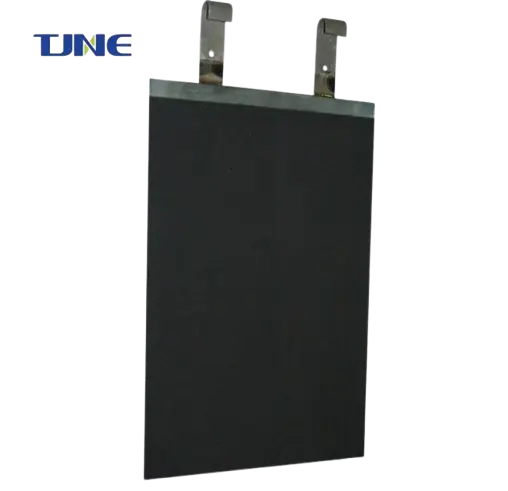
One area of focus is the development of novel coating materials for titanium anodes. While PbO2 are currently the most common coatings, researchers are exploring alternative materials that could offer improved conductivity, durability, or cost-effectiveness. For instance, some studies are investigating the potential of mixed metal oxide coatings that combine the beneficial properties of multiple elements. These advanced coatings could potentially increase the lifespan of electrodes and improve the uniformity of cobalt deposition.
Nanotechnology is another promising avenue for anode development. By engineering the surface structure of titanium electrodes at the nanoscale, it may be possible to dramatically increase the effective surface area without changing the overall dimensions of the anode. This could lead to improved current distribution and more efficient electrowinning processes. Nanostructured surfaces might also enhance the adhesion of conductive coatings, further improving anode durability.
Advancements in manufacturing techniques are also expected to play a significant role in future titanium anode technology. The adoption of additive manufacturing or 3D printing techniques could allow for the creation of anodes with complex geometries optimized for specific electrowinning applications. These customized anode designs could improve electrowinning uniformity in challenging geometries or enhance mass transfer in high-speed electrowinning processes.
The integration of smart technologies into anode design is another exciting prospect. Future titanium anodes might incorporate sensors that can monitor electrowinning conditions in real-time, such as current density, temperature, or electrolyte composition. This data could be used to automatically adjust electrowinning parameters, ensuring optimal conditions are maintained throughout the process and potentially reducing defects and improving overall electrowinning quality.
Research into hybrid materials that combine titanium with other elements or compounds could lead to electrodes with enhanced properties. For example, titanium-based composites or alloys might offer improved conductivity while retaining the corrosion resistance of pure titanium. These hybrid materials could potentially reduce or eliminate the need for expensive noble metal coatings.
As sustainability becomes an increasingly important consideration in industrial processes, future developments in titanium anode technology are likely to focus on improving energy efficiency and reducing environmental impact. This could involve optimizing electrode designs to minimize power consumption or developing recycling and refurbishment processes to extend electrode lifespan and reduce waste.
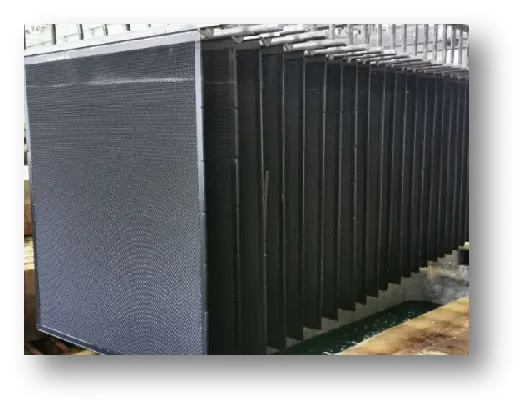
Lastly, as computational power and modeling techniques continue to advance, we can expect to see more sophisticated simulation and design tools for titanium anodes. These tools will allow manufacturers to optimize anode designs virtually, predicting performance under various conditions and tailoring anodes to specific electrowinning requirements with greater precision than ever before.
If you are interested in the products of Xi'an Taijin New Energy & Materials Sci-Tech Co., Ltd., please contact yangbo@tjanode.com.
References:
1. Walsh, F. C., & Ponce de León, C. (2014). A review of the electrodeposition of metal matrix composite coatings by inclusion of particles in a metal layer: an established and diversifying technology. Transactions of the IMF, 92(2), 83-98.
2. Schlesinger, M., & Paunovic, M. (Eds.). (2011). Modern electroplating (Vol. 55). John Wiley & Sons.
3. Lou, H. H., & Huang, Y. (2006). Electroplating. Encyclopedia of Chemical Processing, 1-10.
4. Datta, M., & Landolt, D. (2000). Fundamental aspects and applications of electrochemical microfabrication. Electrochimica Acta, 45(15-16), 2535-2558.
5. Gamburg, Y. D., & Zangari, G. (2011). Theory and practice of metal electrodeposition. Springer Science & Business Media.
6. Walsh, F. C., & Low, C. T. J. (2016). A review of developments in the electrodeposition of tin-copper alloys. Surface and Coatings Technology, 288, 79-94.
7. Arai, S., & Endo, M. (2005). Carbon nanofiber-copper composite powder prepared by electrodeposition. Electrochemistry Communications, 7(1), 19-22.
8. Santana, R. A. C., Campos, A. R. N., Medeiros, E. A., Oliveira, A. L. M., Silva, L. M. F., & Prasad, S. (2007). Studies on electrodeposition and corrosion behavior of a Ni–W–Co amorphous alloy. Journal of Materials Science, 42(22), 9137-9144.
9. Low, C. T. J., Wills, R. G. A., & Walsh, F. C. (2006). Electrodeposition of composite coatings containing nanoparticles in a metal deposit. Surface and Coatings Technology, 201(1-2), 371-383.
10. Osaka, T., Takai, M., Hayashi, K., Ohashi, K., Saito, M., & Yamada, K. (1998). A soft magnetic CoNiFe film with high saturation magnetic flux density and low coercivity. Nature, 392(6678), 796-798.
Related Industry Knowledge
- What are the Benefits of Using Titanium Electrodes in the Electrodeposition Process for Nickel And Cobalt?
- What are the Applications of Titanium Electrodes for Cobalt Electrodeposition?
- How Does Titanium Anodes Enhance Nickel And Cobalt Electrowinning?
- What are the Environmental Benefits of Using Titanium Electrodes for Cobalt Electrowinning?
- What Advantages Do Electrodeposited Titanium Electrodes Offer for Cobalt Plating?
- How Can Titanium Electrode Improve Nickel And Cobalt Electrodeposition Performance?