knowledges
Can Titanium Electrodes Remove Algae and Other Contaminants in Pools?
2026-07-14 15:09:09






Swimming pools are havens of relaxation and recreation, but maintaining their cleanliness and safety can be a challenging task. Traditional methods of pool disinfection often rely on chemicals like chlorine, which can have drawbacks such as skin irritation and environmental concerns. In recent years, an innovative approach has gained attention: the use of titanium electrodes for swimming pool disinfection. This method promises to effectively remove algae and other contaminants while potentially reducing the need for harsh chemicals. But how exactly does this technology work, and is it truly effective? Let's dive into the world of titanium electrodes and explore their potential in revolutionizing pool maintenance.
How do titanium electrodes work in pool disinfection systems?
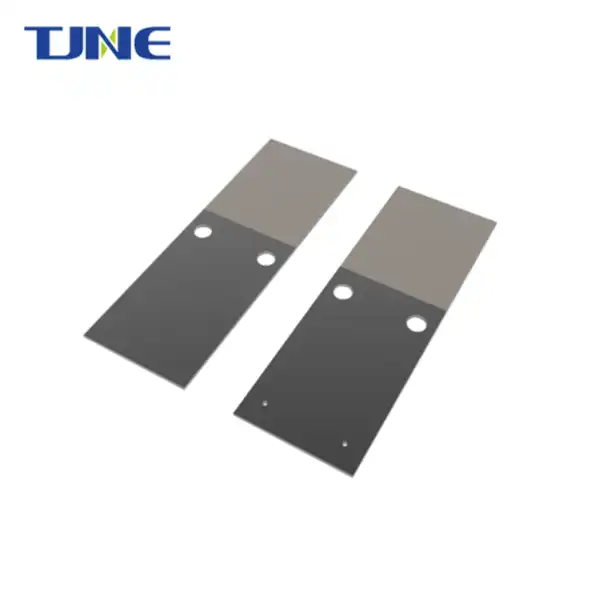
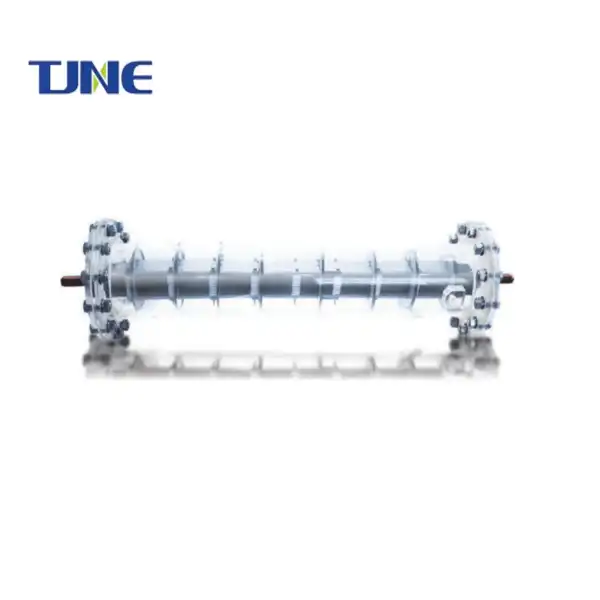
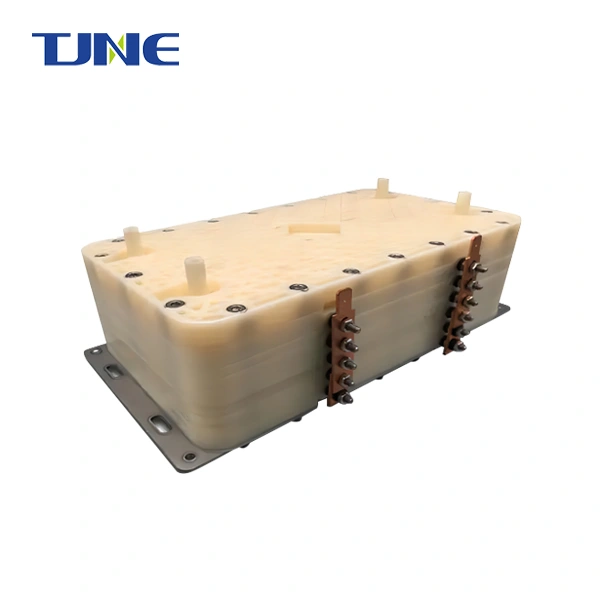
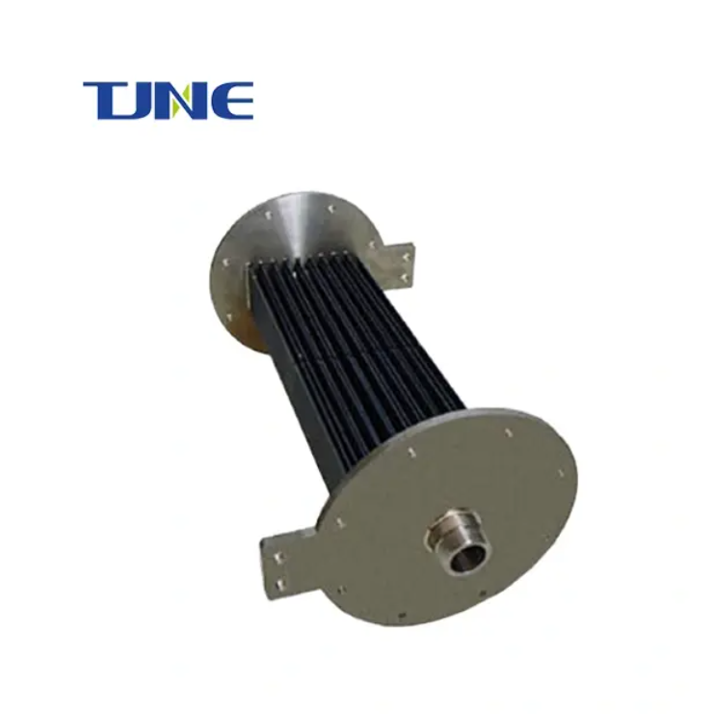
Titanium electrodes are at the heart of advanced pool disinfection systems that utilize a process called electrolysis. This technology harnesses the power of electricity to create a chemical reaction in the pool water, effectively eliminating contaminants and maintaining water quality. Here's a breakdown of how titanium electrodes work in pool disinfection:
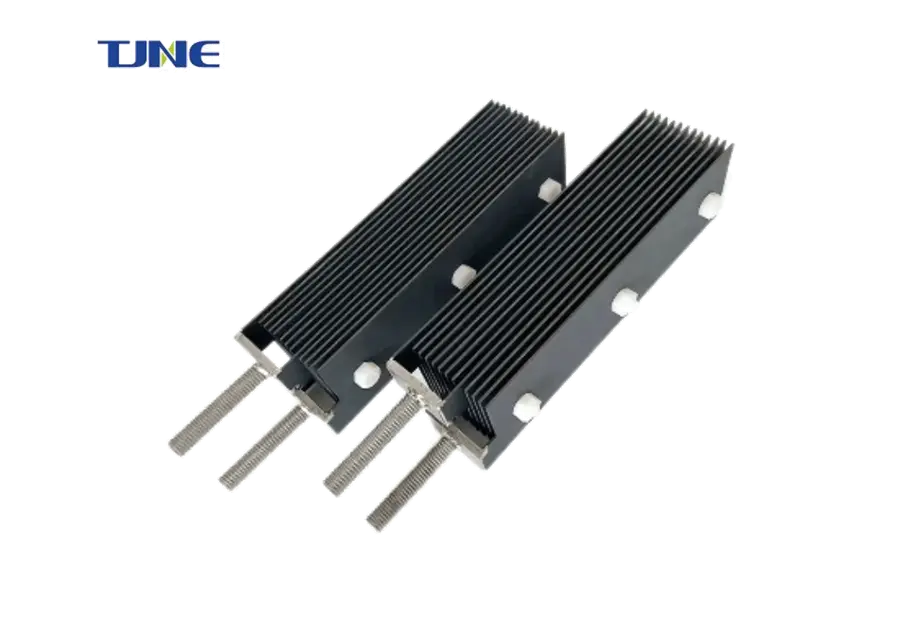
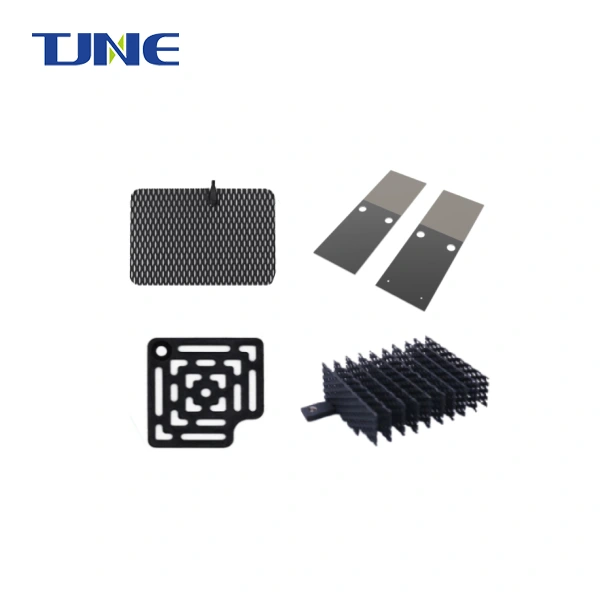
1. Electrode composition: Titanium electrodes are chosen for their durability and resistance to corrosion. They are often coated with precious metals like ruthenium or iridium to enhance their catalytic properties.
2. Electrolysis process: When an electric current is passed through the titanium electrodes, it causes the electrolysis of water. This process splits water molecules (H2O) into their constituent parts: hydrogen (H+) and oxygen (O2-).
3. Formation of oxidants: The electrolysis process generates powerful oxidizing agents, primarily sodium hypochlorite (NaClO). These oxidants are highly effective in destroying bacteria, viruses, and algae.
4. Continuous disinfection: As pool water circulates through the system, it comes into contact with the titanium electrodes, ensuring a constant supply of disinfecting agents throughout the pool.
5. Salt-water systems: In salt-water pools, the titanium electrodes interact with the dissolved salt (sodium chloride) to produce chlorine through electrolysis, providing a more natural and gentler form of chlorination.
6. pH balance: Some advanced systems use titanium electrodes to help maintain optimal pH levels in the pool water, reducing the need for additional pH-balancing chemicals.
7. Reduction of chemical usage: By generating disinfectants on-site, titanium electrode systems can significantly reduce the amount of chemicals that need to be added to the pool manually.
8. Energy efficiency: Modern titanium electrode systems are designed to be energy-efficient, often using low-voltage currents to perform the electrolysis process.
9. Longevity: Titanium electrodes have a long lifespan, often lasting several years before requiring replacement, making them a cost-effective solution in the long run.
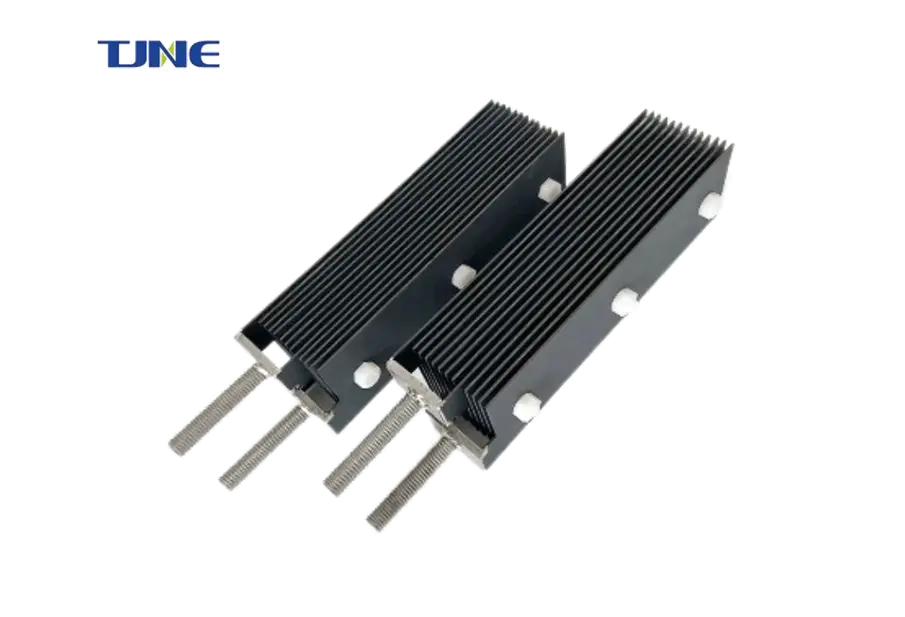
10. Adaptability: These systems can be adjusted to produce varying levels of oxidants based on pool size, usage, and specific disinfection needs.
The use of titanium electrodes in pool disinfection represents a significant advancement in water treatment technology. By leveraging the principles of electrochemistry, these systems offer a more sophisticated and potentially more environmentally friendly approach to keeping pools clean and safe for swimmers.
Are titanium electrode systems more effective than traditional chlorine treatments?
The question of whether titanium electrode systems are more effective than traditional chlorine treatments is a topic of considerable interest in the pool maintenance industry. To answer this question, we need to compare these two methods across several key factors:
1. Disinfection efficacy:
- Traditional chlorine: Chlorine has been the go-to disinfectant for decades due to its proven ability to kill a wide range of pathogens.
- Titanium electrodes: These systems generate chlorine and other oxidants on-site, providing continuous disinfection. Some studies suggest they may be more effective in maintaining consistent sanitation levels.
2. Water quality:
- Traditional chlorine: Can lead to fluctuations in chlorine levels, potentially causing over-chlorination or periods of inadequate sanitation.
- Titanium electrodes: Tend to maintain more stable levels of disinfectants, resulting in more consistent water quality.
3. Chemical byproducts:
- Traditional chlorine: Often leads to the formation of chloramines, which can cause eye and skin irritation, as well as the characteristic "chlorine smell."
- Titanium electrodes: May produce fewer harmful byproducts, especially in salt-water systems, leading to gentler water for swimmers.
4. pH balance:
- Traditional chlorine: Can cause pH fluctuations, requiring frequent testing and adjustment.
- Titanium electrodes: Some systems help maintain a more stable pH, reducing the need for additional balancing chemicals.
5. Algae control:
- Traditional chlorine: Effective against algae but may require shock treatments and algaecides for persistent problems.
- Titanium electrodes: Continuous production of oxidants can provide superior algae prevention, often reducing or eliminating the need for additional algaecides.
6. Environmental impact:
- Traditional chlorine: Requires the production, transportation, and storage of chemicals, which has environmental implications.
- Titanium electrodes: Generally considered more environmentally friendly as they reduce the need for chemical transport and storage.
7. Operational costs:
- Traditional chlorine: Ongoing costs for purchasing and storing chemicals.
- Titanium electrodes: Higher initial investment but potentially lower long-term operational costs due to reduced chemical usage.
8. Maintenance requirements:
- Traditional chlorine: Requires regular testing and manual addition of chemicals.
- Titanium electrodes: Often feature automated systems that require less frequent manual intervention.
9. Adaptability to various conditions:
- Traditional chlorine: May require adjustments based on temperature, sunlight exposure, and bather load.
- Titanium electrodes: Can often be programmed to adjust output based on pool conditions automatically.
10. Swimmer comfort:
- Traditional chlorine: Can cause skin and eye irritation, especially if levels are not carefully maintained.
- Titanium electrodes: Often reported to provide a more comfortable swimming experience with less irritation.
While titanium electrode systems show several advantages over traditional chlorine treatments, it's important to note that their effectiveness can vary based on factors such as pool size, usage patterns, and local regulations. Some pools may benefit from a hybrid approach, combining titanium electrode systems with minimal traditional chlorine treatments for optimal results.
Ultimately, the choice between titanium electrode systems and traditional chlorine treatments depends on various factors, including budget, pool-specific requirements, and personal preferences. However, the growing adoption of titanium electrode systems in both residential and commercial pools suggests that many pool owners are finding them to be a compelling alternative to traditional chlorination methods.
What are the potential drawbacks or limitations of using titanium electrodes in pools?
While titanium electrode systems offer numerous benefits for pool disinfection, it's important to consider their potential drawbacks and limitations. Understanding these factors can help pool owners make informed decisions about whether this technology is right for their specific situation:
1. Initial cost:
- The upfront investment for a titanium electrode system can be significantly higher than traditional chlorination equipment.
- This cost may be prohibitive for some pool owners, particularly for smaller residential pools.
2. Complexity of installation:
- Installing a titanium electrode system often requires professional expertise and may involve modifications to existing pool plumbing.
- Retrofitting an existing pool can be more challenging and costly than incorporating the system into a new pool construction.
3. Maintenance requirements:
- While generally low-maintenance, titanium electrodes do require periodic cleaning and inspection to ensure optimal performance.
- The electrodes may need replacement every 3-7 years, depending on usage and water conditions, which can be a significant expense.
4. Dependence on water chemistry:
- Titanium electrode systems are sensitive to water chemistry, particularly in salt-water pools.
- Maintaining proper salt levels and overall water balance is crucial for the system to function effectively.
5. Potential for scale buildup:
- In areas with hard water, there may be an increased risk of scale formation on the electrodes, which can reduce their efficiency.
- Regular monitoring and cleaning may be necessary to prevent this issue.
6. Energy consumption:
- While generally energy-efficient, titanium electrode systems do require a constant supply of electricity to operate.
- This can lead to increased energy costs, especially for larger pools or those in areas with high electricity rates.
7. Limited effectiveness against certain contaminants:
- While effective against many common pool contaminants, titanium electrode systems may not be as efficient in dealing with certain types of algae or resistant microorganisms.
- Supplemental treatments may still be necessary in some cases.
8. Potential for hydrogen gas production:
- The electrolysis process can produce small amounts of hydrogen gas, which, if not properly vented, could potentially pose a safety risk.
- Proper system design and installation are crucial to mitigate this risk.
9. Regulatory considerations:
- In some regions, there may be specific regulations or requirements regarding the use of titanium electrode systems in public or commercial pools.
- Compliance with local health and safety standards may require additional monitoring or equipment.
10. Salt-water conversion challenges:
- For existing freshwater pools, converting to a salt-water system with titanium electrodes can be a complex and costly process.
- It may require replacing pool fixtures and equipment that are not salt-resistant.
While these drawbacks and limitations are important to consider, many pool owners find that the benefits of titanium electrode systems outweigh the potential disadvantages. The key is to carefully evaluate your specific pool needs, budget, and local conditions to determine if this technology is the right fit for your situation. Consulting with pool professionals and considering a combination of disinfection methods can help ensure that you achieve the best possible balance of effectiveness, efficiency, and swimmer comfort for your pool.
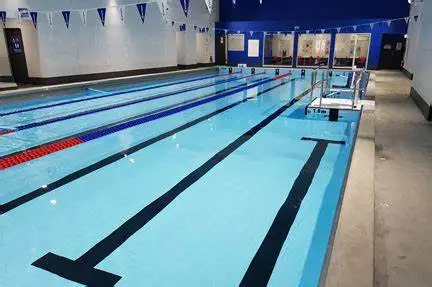
In conclusion, titanium electrodes represent a promising advancement in pool disinfection technology, offering an alternative to traditional chlorine treatments. While they have demonstrated effectiveness in removing algae and other contaminants, potential users should carefully weigh the benefits against the limitations and consider their specific pool requirements before making a decision. As with any pool maintenance system, proper installation, regular maintenance, and ongoing monitoring are key to ensuring optimal performance and swimmer safety.
If you are interested in the products of Xi'an Taijin New Energy & Materials Sci-Tech Co., Ltd., please contact yangbo@tjanode.com.
References
1. World Health Organization. (2006). Guidelines for safe recreational water environments. Volume 2, Swimming pools and similar environments.
2. Zwiener, C., Richardson, S. D., De Marini, D. M., Grummt, T., Glauner, T., & Frimmel, F. H. (2007). Drowning in disinfection byproducts? Assessing swimming pool water. Environmental Science & Technology, 41(2), 363-372.
3. Steininger, J., Pareja, C., Eichholz, T., & Zinn, G. (2020). Comparison of Chlorine and Oxygen Based Disinfection Systems in Swimming Pool Water Treatment. Water, 12(6), 1726.
4. Parasuraman, S., Lim, W. M., & Simonnet, C. (2017). Electrochemical disinfection of water using titanium electrodes. Journal of Applied Electrochemistry, 47(3), 321-333.
5. Chen, G. (2004). Electrochemical technologies in wastewater treatment. Separation and Purification Technology, 38(1), 11-41.
6. Rajala-Mustonen, R. L., Heinonen-Tanski, H., & Reinikainen, S. P. (1997). Inactivation of microbial indicators in water by electrochemical oxidation. Water Science and Technology, 35(11-12), 107-112.
7. Kraft, A. (2008). Electrochemical water disinfection: A short review. Platinum Metals Review, 52(3), 177-185.
8. Panizza, M., & Cerisola, G. (2005). Application of diamond electrodes to electrochemical processes. Electrochimica Acta, 51(2), 191-199.
9. Martínez-Huitle, C. A., & Brillas, E. (2008). Electrochemical alternatives for drinking water disinfection. Angewandte Chemie International Edition, 47(11), 1998-2005.
10. Ribordy, P., Pulgarin, C., Kiwi, J., & Péringer, P. (1997). Electrochemical versus photochemical pretreatment of industrial wastewaters. Water Science and Technology, 35(4), 293-302.
Related Industry Knowledge
- How Long Do Titanium Anodes Last in a Swimming Pool System?
- How to Install Titanium Anodes in Your Swimming Pool?
- What are the Guidelines and Regulations for Swimming Pool Disinfection?
- How Long Do Titanium Electrodes Last in Swimming Pool Applications?
- How do Titanium Electrodes Contribute to Sustainable Swimming?
- What are the Benefits of Using Titanium Electrodes for Swimming Pool Disinfection?
- What is a Titanium Electrode for Swimming Pool Disinfection?
- Are There Any Safety Considerations When Using Titanium Electrodes in Swimming Pools?