knowledges
What are the Benefits of Using Titanium Electrodes for Swimming Pool Disinfection?
2026-07-14 10:37:23






Swimming pool disinfection is a crucial aspect of maintaining a safe and healthy aquatic environment. Among the various methods available, the use of titanium electrodes has gained popularity due to its effectiveness and eco-friendly nature. This innovative technology offers numerous benefits for pool owners and operators, ranging from improved water quality to reduced chemical usage. In this blog post, we'll explore the advantages of using titanium electrodes for swimming pool disinfection and address some common questions about this method.
How do titanium electrodes work in pool disinfection systems?
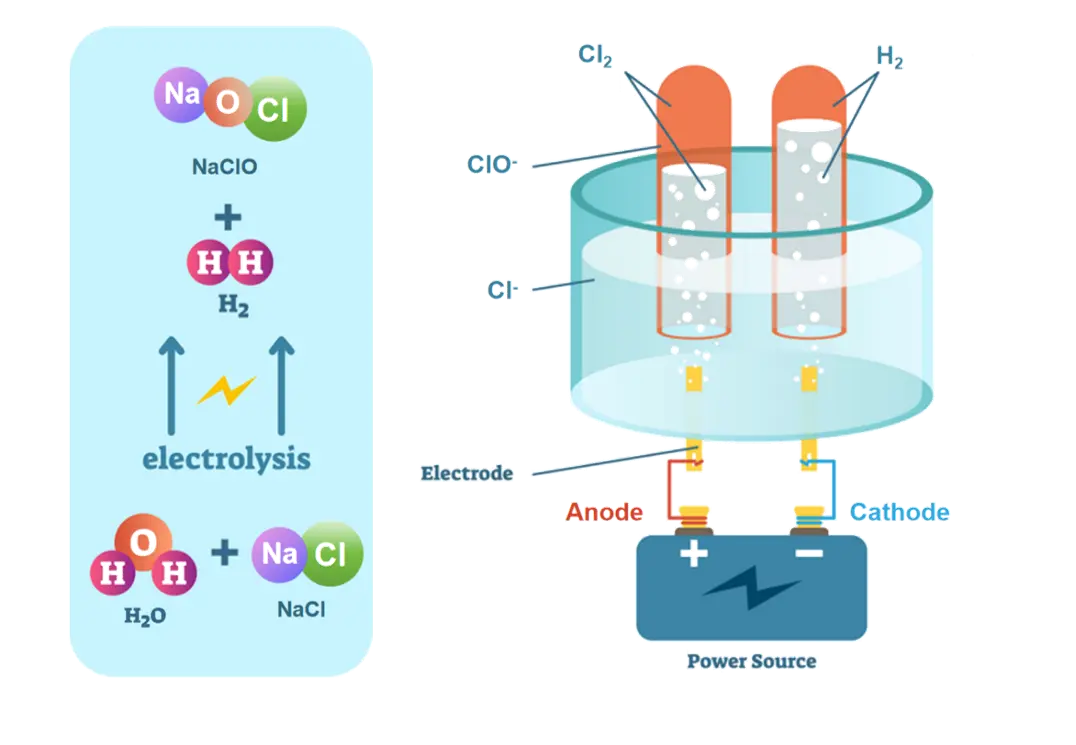
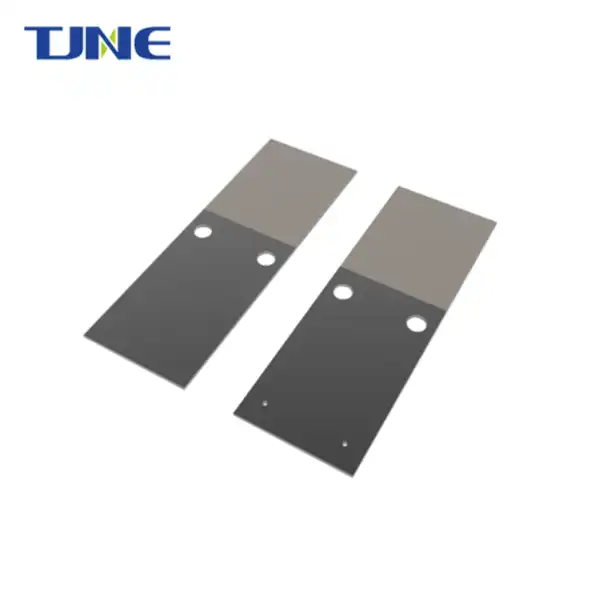
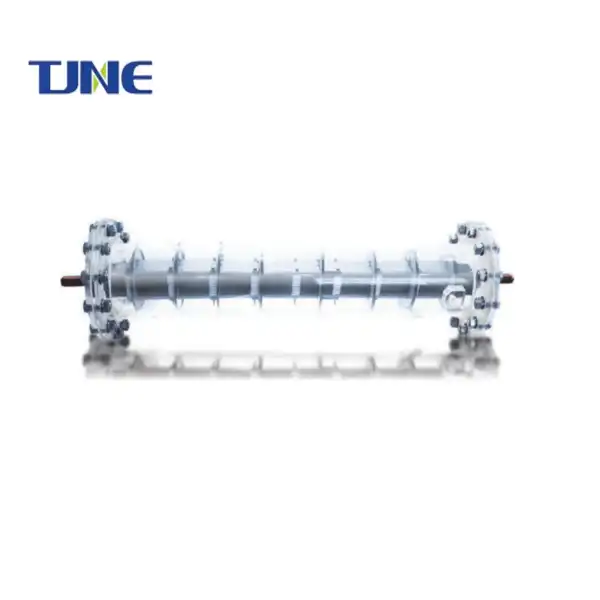
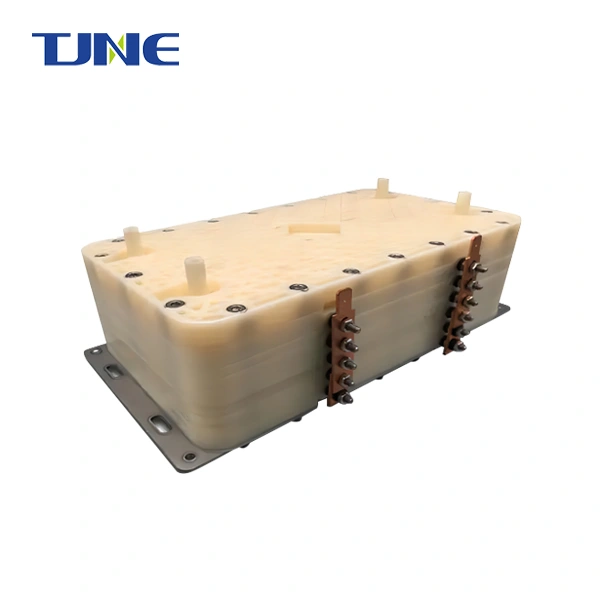
Titanium electrodes work through a process called electrolysis, which is at the heart of salt water chlorination systems. These systems use salt (sodium chloride) added to the pool water as their primary ingredient. As the saltwater passes through the electrolytic cell containing the titanium electrodes, an electrical current is applied. This current causes a reaction that splits the salt molecules into their component parts: sodium and chlorine.

The chlorine produced in this process is in its most active form, known as sodium hypochlorite. This is the same form of chlorine that's used in traditional chlorine-based disinfection methods, but it's produced on-site and on-demand. The sodium hypochlorite acts as a powerful sanitizer, eliminating harmful bacteria, viruses, and algae in the pool water.
One of the key advantages of titanium electrodes is their durability and resistance to corrosion. Titanium is known for its strength and ability to withstand harsh environments, making it an ideal material for use in pool disinfection systems. The electrodes are typically coated with precious metals like ruthenium or iridium, which enhance their catalytic properties and further improve their performance and longevity.
The electrolytic process is continuous, ensuring a constant supply of sanitizer to the pool. Moreover, titanium electrodes can be programmed to produce varying amounts of chlorine based on the pool's needs. Many modern systems include sensors that monitor water quality parameters such as pH and chlorine levels, automatically adjusting the chlorine production to maintain optimal sanitization levels. This intelligent control helps prevent over- or under-chlorination, leading to more consistent water quality and a more comfortable swimming experience.
What are the environmental advantages of using titanium electrodes over traditional chlorine methods?
The use of titanium electrodes in swimming pool disinfection offers several significant environmental advantages compared to traditional chlorine methods. These benefits stem from the reduction in chemical usage, improved energy efficiency, and the overall sustainability of the system.
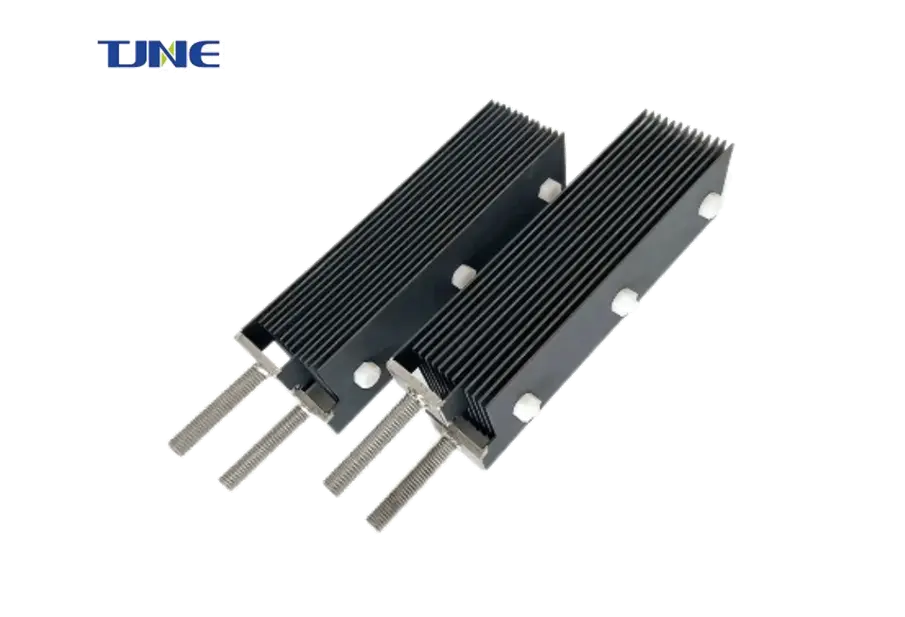
Firstly, titanium electrode systems dramatically reduce the need for storing and handling large quantities of chlorine chemicals. Traditional methods often require pool owners to purchase, transport, and store potentially hazardous chlorine products such as liquid chlorine, chlorine tablets, or granular chlorine. These chemicals can pose risks during transportation and storage, and their production and packaging contribute to environmental pollution. In contrast, titanium electrode systems only require the addition of salt, which is much safer to handle and store.
The on-site production of chlorine through electrolysis eliminates the need for manufacturing and transporting chlorine products, thereby reducing the carbon footprint associated with pool maintenance. This localized production minimizes transportation emissions and packaging waste, contributing to a more sustainable pool management approach.
Furthermore, the closed-loop nature of titanium electrode systems means that the salt used in the process is continuously recycled. Unlike traditional chlorine methods where chemicals are constantly added and then discharged into the environment, salt chlorination systems maintain a relatively stable salt level, with only minimal additions required to compensate for water loss.
Another environmental advantage is the reduction in chloramines, which are byproducts formed when chlorine reacts with organic compounds like sweat, oils, and urine in the water. Chloramines are responsible for the strong "chlorine smell" often associated with poorly maintained pools and can cause eye and skin irritation. Titanium electrode systems produce a purer form of chlorine that results in fewer chloramines, leading to better air and water quality around the pool area.
The energy efficiency of titanium electrode systems is also noteworthy. While they do require electricity to operate, modern systems are designed to be highly efficient. Many use low-voltage DC current and can be paired with solar panels for even greater environmental benefits. When compared to the energy required for the production, packaging, and transportation of traditional chlorine products, titanium electrode systems often come out ahead in terms of overall energy consumption.
Additionally, titanium electrode systems can help reduce water waste. Because they provide more stable and easily controlled chlorine levels, there's less need for frequent backwashing or draining of the pool to correct chemical imbalances. This water conservation aspect is particularly important in regions facing water scarcity issues.
Lastly, the longevity of titanium electrodes contributes to their environmental friendliness. With proper maintenance, these electrodes can last for many years, reducing the need for frequent replacements and the associated manufacturing and disposal impacts.
How cost-effective are titanium electrode systems compared to traditional pool disinfection methods?
When considering the cost-effectiveness of titanium electrode systems for swimming pool disinfection, it's essential to look at both the initial investment and the long-term operational costs. While the upfront cost of installing a titanium electrode system may be higher than setting up a traditional chlorine system, the long-term savings and benefits often make it a more cost-effective solution over time.
The initial investment for a titanium electrode system typically includes the cost of the salt chlorinator unit, which houses the titanium electrodes, as well as any necessary modifications to the pool's plumbing and electrical systems. This cost can vary depending on the size of the pool and the specific model chosen. While this may seem significant compared to the cost of a basic chlorine feeder, it's important to consider the long-term financial benefits.
One of the most substantial cost savings comes from the reduced need for chemical purchases. Traditional chlorine systems require regular purchases of chlorine in various forms, such as tablets, liquid, or granules. These ongoing chemical costs can add up quickly, especially for larger pools or those in heavy use. In contrast, titanium electrode systems primarily use salt, which is considerably less expensive and needs to be replenished much less frequently.
Maintenance costs are another area where titanium electrode systems can provide significant savings. These systems generally require less frequent maintenance than traditional chlorine systems. The titanium electrodes themselves are highly durable and can last for many years with proper care. While they may eventually need replacement, this is typically only necessary every few years, depending on usage and water chemistry. In comparison, traditional chlorine feeders or floaters may need more frequent repairs or replacements.
Labor costs associated with pool maintenance can also be reduced with titanium electrode systems. The automated nature of these systems means less time spent manually adding chemicals and balancing water chemistry. This can be particularly beneficial for commercial pool operators, where labor costs for pool maintenance can be substantial.
Energy costs are another factor to consider. While titanium electrode systems do require electricity to operate, many modern units are designed to be energy-efficient. Some pool owners report that the energy cost of running the chlorinator is offset by reduced pump runtime, as the consistent chlorine production allows for more efficient filtration cycles.
Water savings can also contribute to the cost-effectiveness of titanium electrode systems. Because these systems provide more stable chlorine levels, there's often less need for frequent backwashing or draining to correct chemical imbalances. This can result in lower water bills and reduced heating costs for those with heated pools.
It's worth noting that the cost-effectiveness of titanium electrode systems can vary depending on factors such as pool size, usage patterns, local electricity rates, and water costs. However, many pool owners report breaking even on their investment within 2-3 years, after which they experience ongoing savings.
In conclusion, while titanium electrode systems for swimming pool disinfection may require a higher initial investment, they often prove to be more cost-effective in the long run. The combination of reduced chemical costs, lower maintenance requirements, potential energy savings, and water conservation can result in significant financial benefits over the life of the system. Additionally, the improved water quality and reduced environmental impact provide value that goes beyond mere financial considerations, making titanium electrode systems an attractive option for many pool owners and operators.
If you are interested in the products of Xi'an Taijin New Energy & Materials Sci-Tech Co., Ltd., please contact yangbo@tjanode.com.
References:
1. World Health Organization. (2006). Guidelines for safe recreational water environments. Volume 2, Swimming pools and similar environments.
2. Zwiener, C., Richardson, S. D., De Marini, D. M., Grummt, T., Glauner, T., & Frimmel, F. H. (2007). Drowning in disinfection byproducts? Assessing swimming pool water. Environmental Science & Technology, 41(2), 363-372.
3. Goodman, M., & Hays, S. (2008). Asthma and swimming: a meta-analysis. Journal of Asthma, 45(8), 639-647.
4. Florentin, A., Hautemanière, A., & Hartemann, P. (2011). Health effects of disinfection by-products in chlorinated swimming pools. International Journal of Hygiene and Environmental Health, 214(6), 461-469.
5. Chowdhury, S., Alhooshani, K., & Karanfil, T. (2014). Disinfection byproducts in swimming pool: Occurrences, implications and future needs. Water Research, 53, 68-109.
6. Ilyas, H., Masih, I., & van der Hoek, J. P. (2018). Disinfection methods for swimming pool water: Byproduct formation and control. Water, 10(6), 797.
7. Manasfi, T., De Méo, M., Coulomb, B., Di Giorgio, C., & Boudenne, J. L. (2016). Identification of disinfection by-products in freshwater and seawater swimming pools and evaluation of genotoxicity. Environment International, 88, 94-102.
8. Hansen, K. M., Willach, S., Antoniou, M. G., Mosbæk, H., Albrechtsen, H. J., & Andersen, H. R. (2012). Effect of pH on the formation of disinfection byproducts in swimming pool water–Is less THM better?. Water Research, 46(19), 6399-6409.
9. Daiber, E. J., DeMarini, D. M., Ravuri, S. A., Liberatore, H. K., Cuthbertson, A. A., Thompson-Klemish, A., ... & Richardson, S. D. (2016). Progressive increase in disinfection byproducts and mutagenicity from source to tap to swimming pool and spa water: impact of human inputs. Environmental Science & Technology, 50(13), 6652-6662.
10. Weng, S., Sun, P., Ben, W., Huang, C. H., Lee, L. T., & Blatchley III, E. R. (2014). The presence of pharmaceuticals and personal care products in swimming pools. Environmental Science & Technology Letters, 1(12), 495-498.

Related Industry Knowledge
- How Long Do Titanium Anodes Last in a Swimming Pool System?
- How to Install Titanium Anodes in Your Swimming Pool?
- What are the Guidelines and Regulations for Swimming Pool Disinfection?
- How Long Do Titanium Electrodes Last in Swimming Pool Applications?
- How do Titanium Electrodes Contribute to Sustainable Swimming?
- What is a Titanium Electrode for Swimming Pool Disinfection?
- Are There Any Safety Considerations When Using Titanium Electrodes in Swimming Pools?