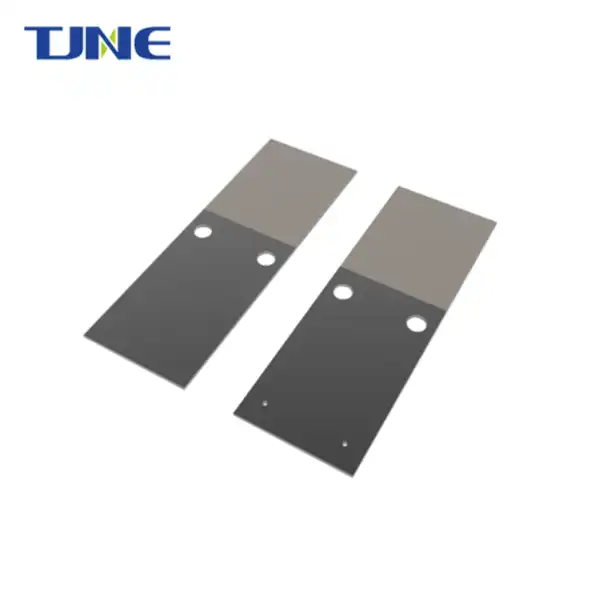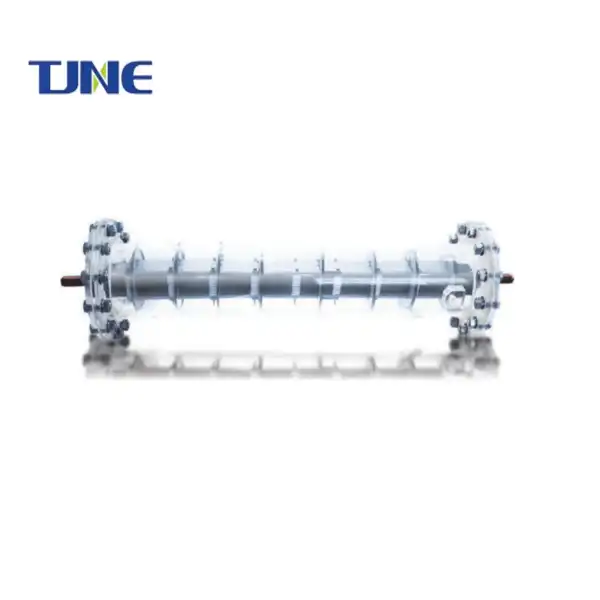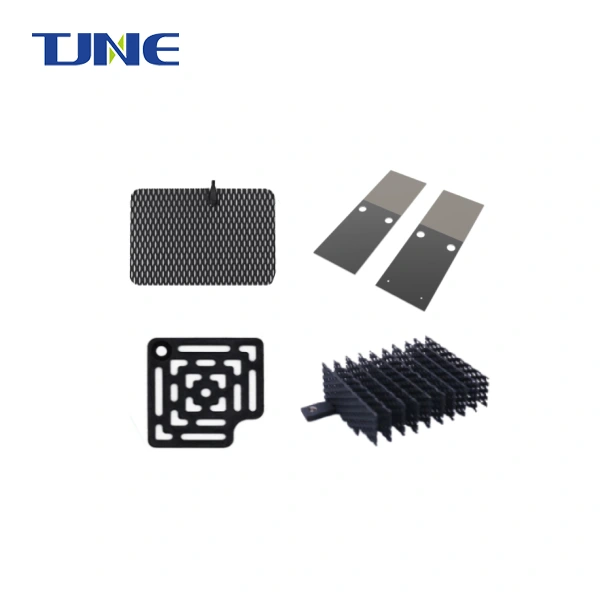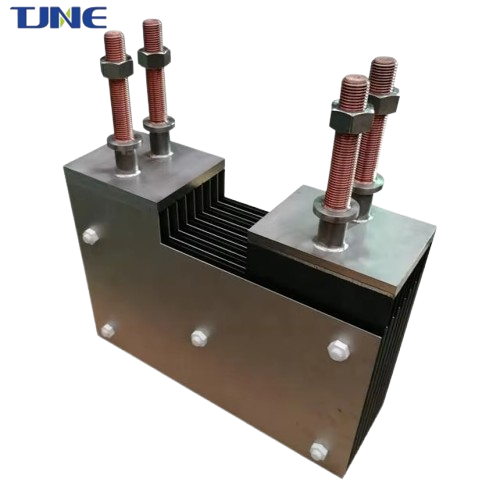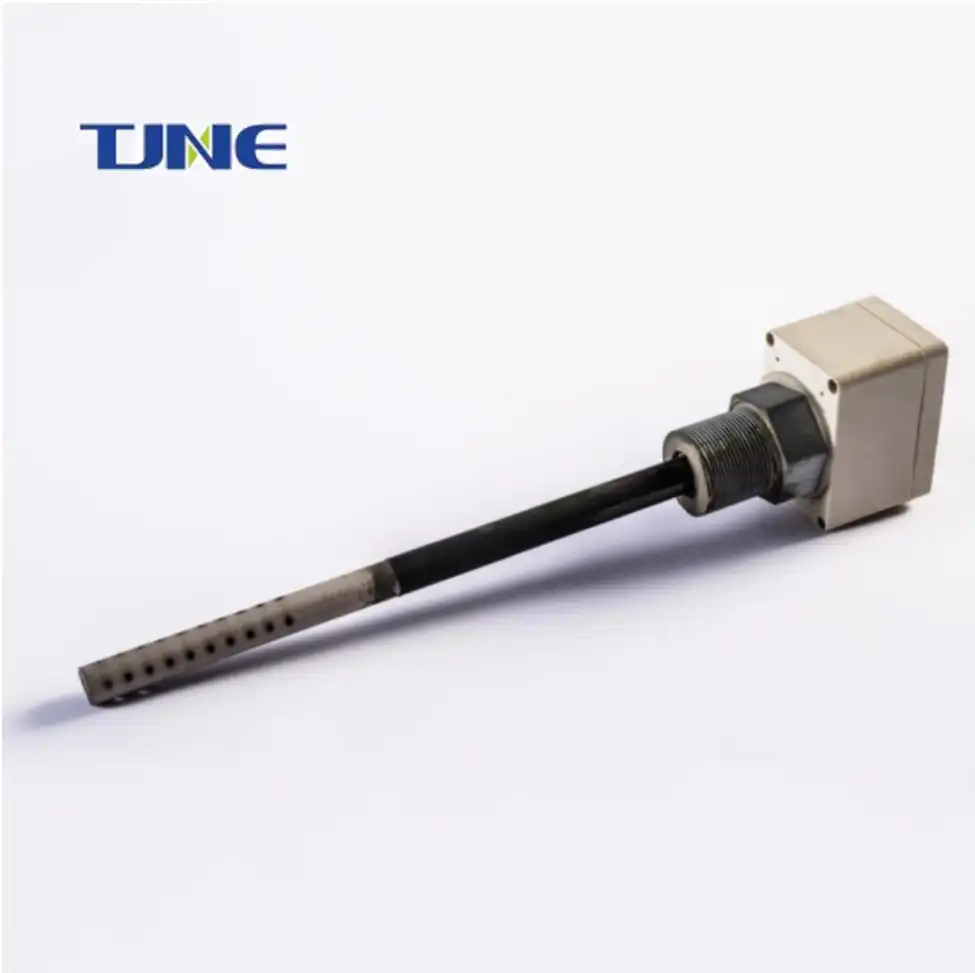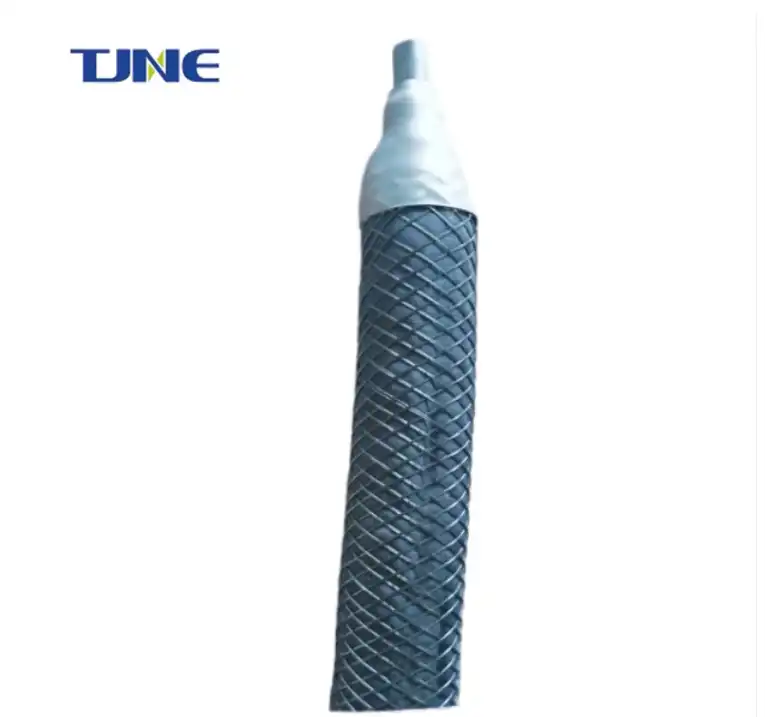
As a professional manufacturer and supplier of wastewater disinfection and oxidation anode, TJNE offers highly specialized and technologically advanced products. We provide a complete one-stop solution with excellent after-sales service, comprehensive certification and testing reports, fast delivery, and secure packaging. If you are looking for your own anode for wastewater treatment, please contact us at yangbo@tjanode.com.
Wastewater disinfection and oxidation anodes are advanced electrochemical component used in wastewater treatment processes. They use specific chemical reactions to efficiently remove pollutants, disinfect the water, and oxidize organic compounds. With their unique structure and characteristics, these anodes play a crucial role in improving water quality and achieving environmental sustainability.
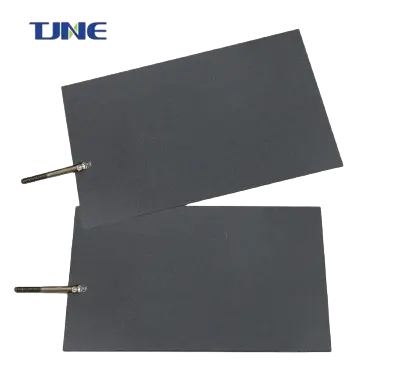
The anode electrodes are typically made of durable materials such as titanium coated with a mixed metal oxide (MMO) coating. This high-quality construction ensures excellent corrosion resistance and long service life. The anodes have a specific design to enhance their surface area, increasing the electrochemical reactions and improving efficiency. They are lightweight, compact, and easy to install in various wastewater treatment systems.
Key Features and Advantages
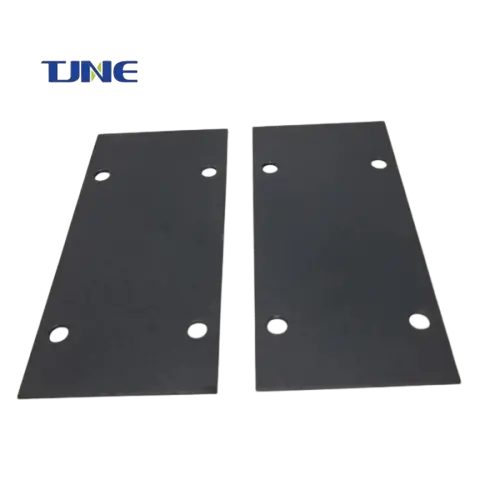
- Effective Disinfection: Wastewater disinfection and oxidation anode are optimized for effective disinfection of wastewater. It utilizes electrochemical processes to exclude dangerous microorganisms, pathogens, and bacteria, ensuring that treated water is safe for disposal or exercise.
- Oxidation Capability: This anode possesses robust oxidation capabilities, enabling it to break down and remove colorful organic and inorganic pollutants present in wastewater. It facilitates the conversion of dangerous substances into lower dangerous or non-toxic derivations.
- Energy Efficiency: The design of the anode is geared towards energy effectiveness, ensuring that the disinfection and oxidation processes are carried out with minimum energy consumption, contributing to cost savings and sustainability.
- Environmental Compliance: The anode is finagled to help wastewater treatment installations meet nonsupervisory norms for effluent quality and environmental compliance, promoting responsible and sustainable wastewater operation.
- Scalability: The anode's design allows for scalability, making it suitable for both small and large wastewater treatment installations. It can be integrated into systems of different sizes and capacities.
Working Principle
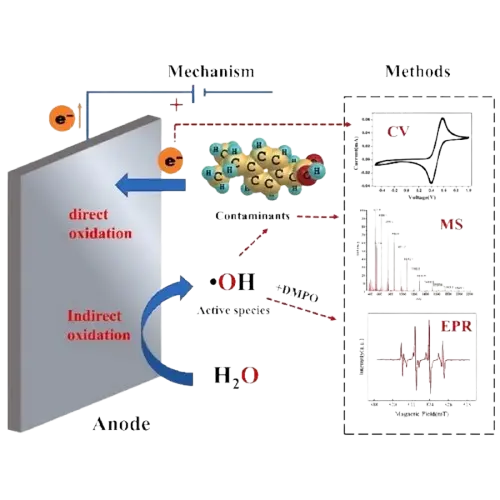
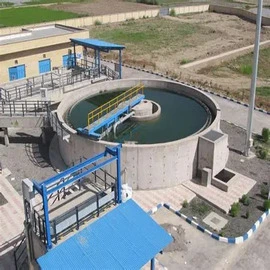
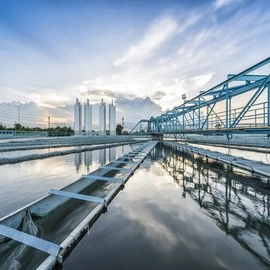
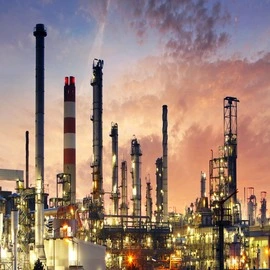
Wastewater disinfection and oxidation anode operates based on electrochemical reactions. Specifically, they utilize the chemical properties of the anode material to produce powerful oxidants or create an electrochemical field that promotes pollutant degradation. This enables the anodes to effectively disinfect the wastewater, break down organic compounds, and remove contaminants. The anodes are designed to withstand harsh environments and provide long-lasting performance, leveraging electrochemical reactions to “break down” organic pollutants through direct oxidation (on the anode surface) and indirect oxidation (via strong oxidizing species). This technology is widely used in treating industrial wastewater.
Direct Electrochemical Oxidation
This mechanism occurs directly on the anode surface: Organic pollutants in wastewater are adsorbed onto the anode’s active sites, then lose electrons (oxidized) and break down into small-molecule or inorganic substances.
Indirect Electrochemical Oxidation
This mechanism does not involve direct contact between organics and the anode. Instead, the anode first oxidizes inorganic ions in wastewater or water molecules to generate strong oxidizing species, which then diffuse into the wastewater and oxidize organic pollutants.
Applications
Contact us
If you have any inquiries or need assistance with selecting your Wastewater Disinfection and Oxidation Anode, please feel free to contact us at yangbo@tjanode.com. Our team at TJNE is a professional manufacturer and supplier of Wastewater Disinfection and Oxidation Anode. We provide strong technical expertise, comprehensive after-sales service, complete certification and testing reports, fast delivery, and secure packaging. We support product testing and offer reliable solutions for your hydrogen production needs.