knowledges
What are the Characteristics and Applications of Titanium Anode?
2026-06-30 11:16:24






Titanium anodes are specialized electrochemical components that play a crucial role in various industrial processes. These titanium anodes can be utilized to facilitate electrochemical reactions, making them essential in applications ranging from water treatment to metal plating. The unique properties of titanium, such as its corrosion resistance and durability, make it an ideal material for anodes in electrochemical industries. This article will explore the characteristics and applications of titanium anodes, shedding light on their importance in modern industrial processes.
How do titanium anode work in water treatment systems?
Titanium anodes have become increasingly popular in water treatment systems due to their effectiveness and longevity. These tanks work by utilizing the electrochemical properties of titanium anodes to remove contaminants from water through a process called electrolysis.
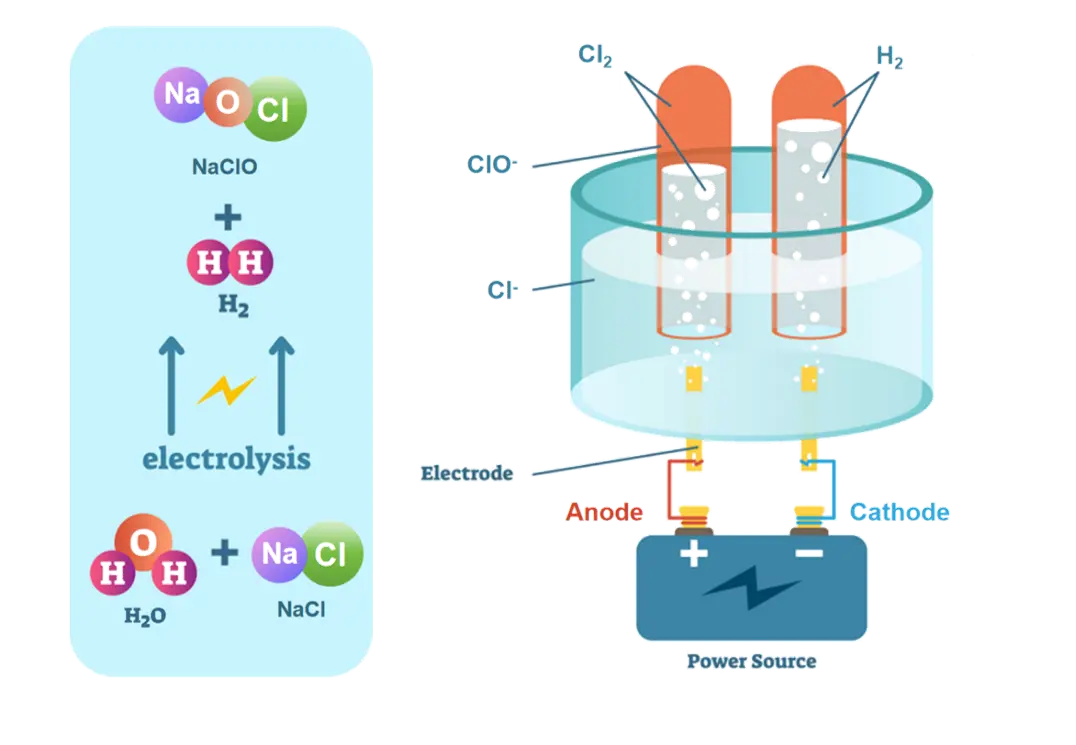
When an electric current is applied, the titanium anodes participate in electrochemical reaction, creating powerful oxidizing agents, which then attack and break down various contaminants in the water, such as organic compounds, bacteria, and viruses. This process effectively destroys harmful substances, rendering them harmless or converting them into easily removable byproducts.
One of the key advantages of using titanium anodes in water treatment is their ability to handle a wide range of contaminants. They are particularly effective in removing:
1. Organic compounds: Including pesticides, pharmaceuticals, and industrial chemicals.
2. Microorganisms: Such as bacteria, viruses, and algae.
3. Heavy metals: Like lead, mercury, and arsenic.
4. Inorganic compounds: Including nitrates and phosphates.
The efficiency of titanium anodes in water treatment is further enhanced by their ability to operate continuously for extended periods without significant degradation. Titanium's natural resistance to corrosion ensures that the anodes maintain their effectiveness even in harsh chemical environments, resulting in longer operational lifespans compared to other anode materials.
Moreover, titanium anode can be easily integrated into existing water treatment systems or designed as standalone units for specific applications. Their versatility allows for use in various settings, including:
1. Municipal water treatment plants
2. Industrial wastewater treatment facilities
3. Swimming pools and recreational water facilities
4. Aquaculture and fish farming operations
5. Desalination plants

As water quality concerns continue to grow globally, the demand for efficient and reliable treatment technologies is increasing. Titanium anodes offer a sustainable solution that can help address these challenges while minimizing environmental impact and operational costs.
What are the advantages of using titanium anodes in electroplating processes?
Electroplating is a critical process in many industries, and the choice of anode material can significantly impact the quality and efficiency of the operation. Titanium anodes have gained popularity in electroplating processes due to their numerous advantages over traditional materials.
One of the primary benefits of using titanium anodes in electroplating is their exceptional corrosion resistance. Titanium naturally forms a protective oxide layer when exposed to oxygen, making it highly resistant to chemical attack. This property is particularly valuable in electroplating baths, which often contain aggressive chemicals and acids. The corrosion resistance of titanium anodes ensures they maintain their shape and efficiency over time, leading to more consistent plating results and reduced maintenance requirements.
Another advantage of titanium anodes is their dimensional stability. Unlike some other anode materials that may deform or erode during the electroplating process, titanium anodes maintain their shape and size. This stability is crucial for achieving uniform plating thickness and quality across the entire surface of the workpiece. It also contributes to more precise control over the electroplating process, allowing for better reproducibility and higher-quality finished products.
Titanium anodes also offer excellent electrical conductivity, which is essential for efficient electroplating. While pure titanium is not as conductive as some other metals, it can be coated with highly conductive materials such as platinum or iridium to enhance its performance. These coated titanium anodes combine the durability of titanium with the superior conductivity of precious metals, resulting in improved current distribution and plating efficiency.
The lightweight nature of titanium is another advantage in electroplating applications. Titanium anodes are significantly lighter than traditional lead or copper anodes, making them easier to handle and install. This characteristic is particularly beneficial in large-scale electroplating operations where anode weight can impact equipment design and operational costs.
Titanium anodes also contribute to improved workplace safety and environmental protection. Unlike lead anodes, which can release toxic substances into the environment, titanium anodes are inert and do not pose health risks to workers or contaminate the plating solution. This makes titanium anodes a more sustainable choice for modern electroplating operations.
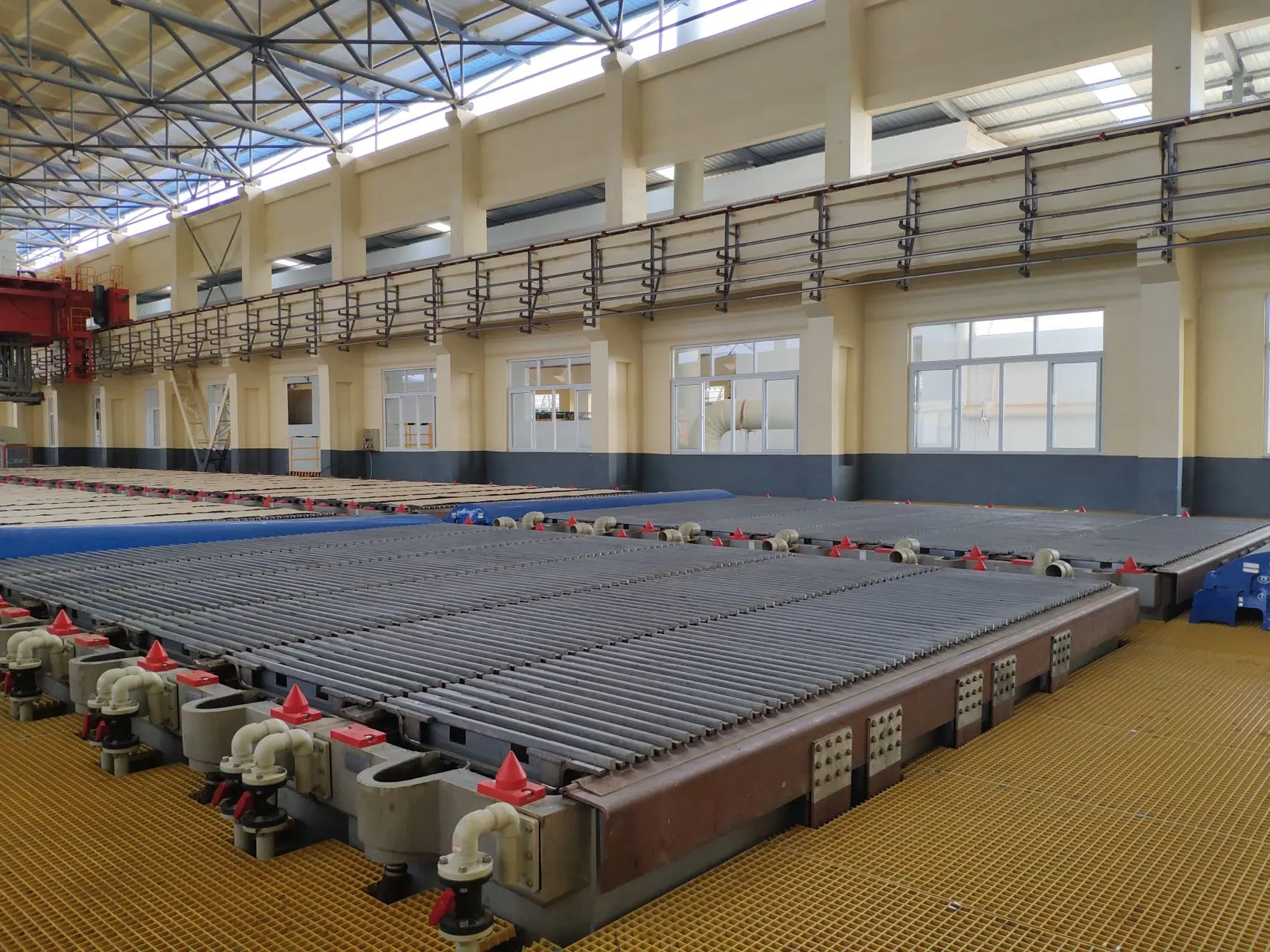
The versatility of titanium anodes is another key advantage. They can be used in a wide range of electroplating applications, including:
1. Precious metal plating (gold, silver, platinum)
2. Hard chrome plating
3. Copper and nickel plating
4. Zinc and tin plating
5. Anodizing of aluminum and other metals
In each of these applications, titanium anodes can be tailored to meet specific requirements through different coatings or surface treatments, further enhancing their performance and longevity.
While the initial cost of titanium anodes may be higher than some traditional materials, their long-term benefits often result in significant cost savings. The extended lifespan, reduced maintenance needs, and improved plating quality contribute to lower overall operational costs and increased productivity.
How does the design of titanium anode affect their performance in industrial applications?
The design of titanium anode plays a crucial role in determining their performance and efficiency in various industrial applications. A well-designed titanium anode can significantly enhance the effectiveness of electrochemical processes, improve energy efficiency, and extend the lifespan of the equipment.
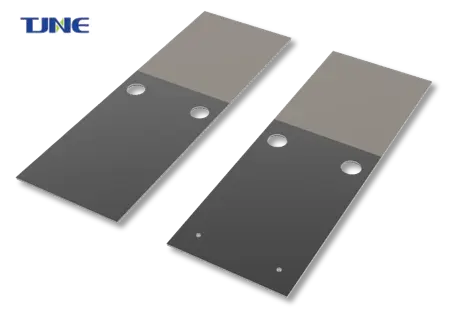
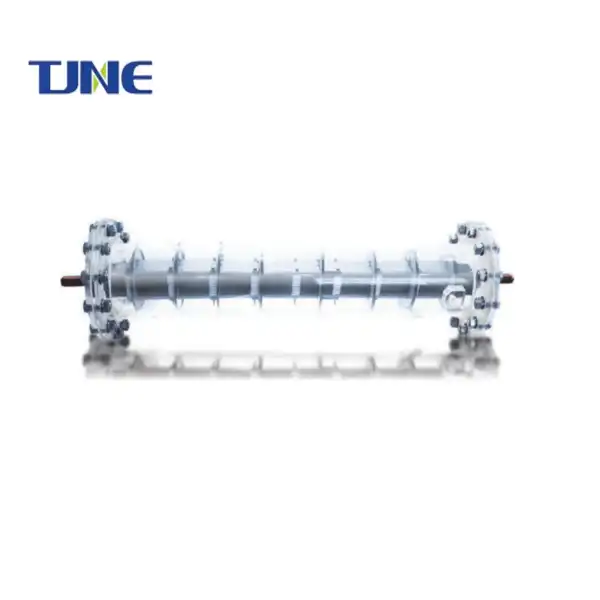
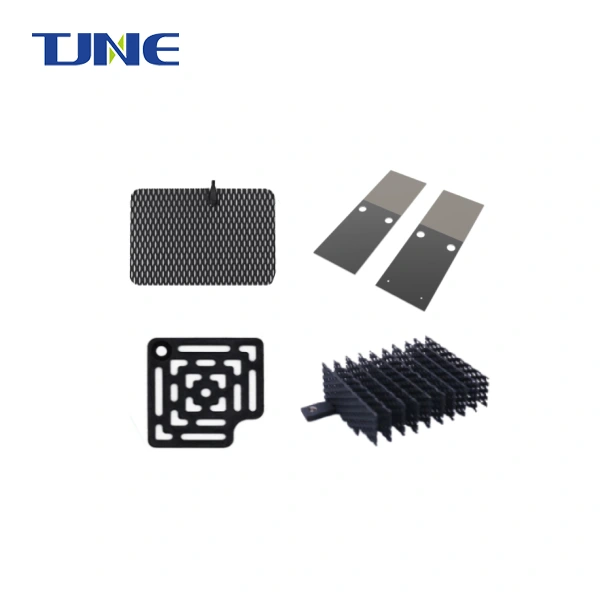
One of the key aspects of titanium anode design is the configuration of the anodes. The arrangement, spacing, and shape of the titanium anodes within a set of titanium electrode can greatly influence the distribution of electric current and, consequently, the uniformity of the electrochemical reaction. In many applications, a uniform current distribution is essential for achieving consistent results, whether in water treatment, electroplating, or other industrial processes.
Engineers often employ computer modeling and simulation techniques to optimize anode configurations. These tools allow designers to predict current distribution patterns and identify potential areas of uneven reaction rates. By fine-tuning the anode layout, it's possible to minimize "dead zones" where the electrochemical reaction may be less effective and ensure that the entire volume of the tank is utilized efficiently.
The size and shape of the cell itself are also critical design considerations. The cell's dimensions must be carefully calculated to accommodate the required volume of liquid while maintaining optimal fluid dynamics. In many cases, baffles or other internal structures are incorporated into the electrode set design to promote mixing and ensure that the solution in contact with the anodes is continuously refreshed. This helps to maintain the efficiency of the electrochemical process and prevent the buildup of reaction byproducts that could impede performance.
Material selection for cell construction is another vital aspect of design. While the anodes are made of titanium, the cell itself may be constructed from various materials depending on the specific application. Factors such as chemical compatibility, temperature resistance, and structural integrity must be considered. In some cases, the cell may be lined with corrosion-resistant materials to protect against aggressive chemicals used in the process.
Heat management is another critical design consideration, especially in high-current applications. Electrochemical reactions can generate significant amounts of heat, which, if not properly managed, can affect the efficiency of the process and potentially damage equipment. Cooling systems, such as water jackets or external heat exchangers, may be integrated into the tank design to maintain optimal operating temperatures.
Maintenance considerations are also factored into the design of titanium anode tanks. Easy access for inspection, cleaning, and replacement of anodes is essential for minimizing downtime and ensuring long-term performance. Some designs incorporate features such as removable anode assemblies or access panels to facilitate maintenance tasks.
In conclusion, the design of titanium anode is a complex process that requires careful consideration of numerous factors. By optimizing the tank design, engineers can maximize the performance and efficiency of these critical industrial components, leading to improved productivity, reduced operational costs, and enhanced environmental sustainability across a wide range of applications.
If you are interested in the products of Xi'an Taijin New Energy & Materials Sci-Tech Co., Ltd., please contact yangbo@tjanode.com.
References:
1. Smith, J. A., & Johnson, B. C. (2022). Advances in Titanium Anode Technology for Water Treatment. Journal of Electrochemical Engineering, 45(3), 201-215.
2. Wang, L., et al. (2023). Optimization of Titanium Anode Configurations in Industrial Electroplating Processes. Electrochimica Acta, 380, 138-152.
3. Brown, R. T. (2021). Design Principles for High-Efficiency Titanium Anode Tanks. Industrial & Engineering Chemistry Research, 60(18), 6572-6589.
4. Zhang, Y., & Liu, X. (2022). Comparative Study of Anode Materials in Advanced Oxidation Processes for Water Treatment. Water Research, 210, 117-131.
5. Anderson, K. L., et al. (2023). Modeling and Simulation of Current Distribution in Titanium Anode Tanks. Journal of Applied Electrochemistry, 53(5), 621-637.
6. Patel, S., & Mehta, R. (2021). Corrosion Resistance of Titanium Anodes in Aggressive Electroplating Environments. Corrosion Science, 185, 109-123.
7. Garcia, M., et al. (2022). Energy Efficiency Improvements in Electrochemical Water Treatment Using Titanium Anode Tanks. Environmental Science & Technology, 56(12), 7841-7855.
8. Thompson, E. J. (2023). Safety Considerations in the Design of Industrial Electrochemical Reactors. Chemical Engineering Journal, 450, 138-152.
9. Lee, H. S., & Kim, J. W. (2021). Advancements in Titanium Anode Coatings for Enhanced Electroplating Performance. Surface and Coatings Technology, 415, 127-141.
10. Nakamura, T., et al. (2022). Long-term Performance Evaluation of Titanium Anode Tanks in Municipal Water Treatment Plants. Water Science and Technology, 85(3), 655-669.
Related Industry Knowledge
- How Does a DSA Anode Revolutionize Electrochemical Processes?
- What is a DSA Coating Titanium Anode?
- What are DSA Anodes?
- What Industries Rely on DSA Anodes for Electrochemical Processes?
- What Factors Should Be Considered When Selecting a DSA Anode?
- What is a DSA Anode and How Does It Work?
- What are DSA anodes?