knowledges
How are Titanium Electrodes Manufactured?
2026-07-15 13:41:50






Titanium electrodes are advanced components used in various electrochemical applications, including swimming pool disinfection systems. These electrodes combine the excellent catalytic properties of mixed metal oxide (MMO) with the durability and corrosion resistance of titanium, making them highly efficient and long-lasting. The manufacturing process of titanium electrodes involves several sophisticated steps, including substrate preparation, MMO coating, and quality control measures to ensure optimal performance and longevity.
What are the benefits of using titanium electrodes for swimming pool disinfection?
Titanium electrodes have become increasingly popular in swimming pool disinfection systems due to their numerous advantages over traditional chlorination methods. These electrodes, often coated with precious metals like ruthenium and iridium, offer a more efficient and environmentally friendly approach to maintaining pool water quality.
One of the primary benefits of using titanium electrodes for swimming pool disinfection is their exceptional durability and longevity. Titanium is known for its excellent corrosion resistance, especially in chlorine-rich environments like swimming pools. This property ensures that the electrodes can withstand the harsh chemical conditions present in pool water for extended periods without degrading or requiring frequent replacements. As a result, pool owners can enjoy reduced maintenance costs and fewer interruptions in their disinfection systems.
Another significant advantage is the improved efficiency of the disinfection process. Titanium electrodes, particularly when coated with ruthenium and iridium, exhibit superior catalytic properties that enhance the production of disinfecting agents. Through a process called electrolysis, these electrodes generate powerful oxidants such as hypochlorous acid and ozone directly in the pool water. These oxidants effectively eliminate bacteria, viruses, and other harmful microorganisms, ensuring a safer swimming environment for users.
Furthermore, the use of titanium electrodes in pool disinfection systems allows for better control over the chlorine levels in the water. Traditional chlorination methods often result in fluctuating chlorine concentrations, which can lead to eye and skin irritation for swimmers. With titanium electrode systems, the production of disinfecting agents can be more precisely regulated, maintaining a consistent and optimal level of sanitization without the need for excessive chemical additions.
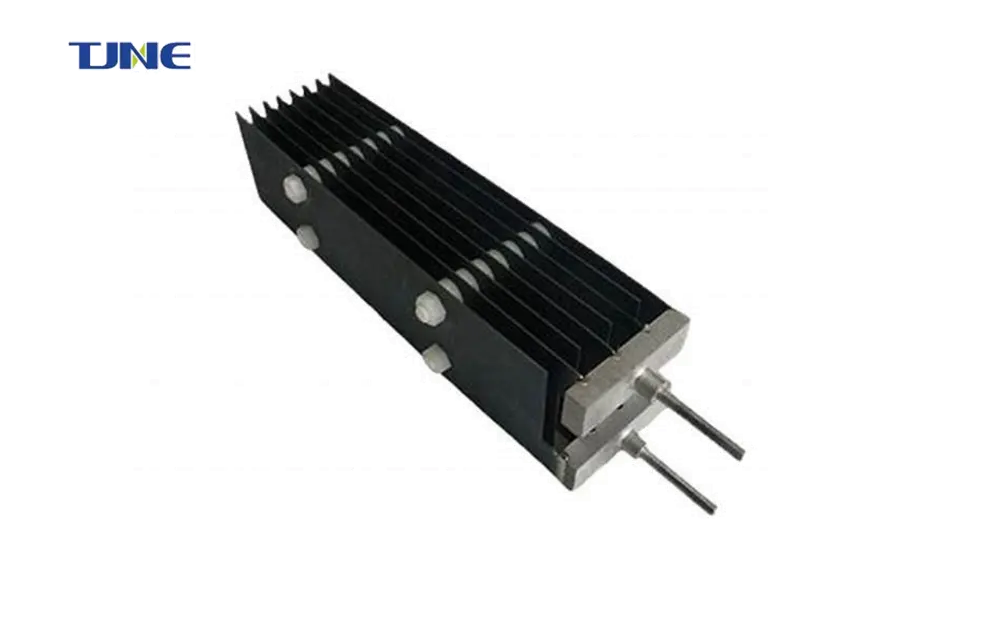
The environmental impact of pool maintenance is another area where titanium electrodes shine. By reducing the reliance on chemical chlorine products, these systems minimize the release of harmful chlorine compounds into the environment. Additionally, the electrolysis process can help break down organic contaminants in the water, further improving overall water quality and reducing the need for additional chemical treatments.
Lastly, titanium electrode systems often require less storage space and handling of hazardous chemicals compared to traditional chlorination methods. This not only improves safety for pool maintenance staff but also simplifies the overall pool management process. The reduced chemical usage also translates to lower operating costs over time, making titanium electrode systems an economically attractive option for both residential and commercial pool owners.
How does the precious metal coating process for titanium electrodes work?
The precious metal coating process for titanium electrodes is a crucial step in manufacturing high-performance electrodes for swimming pool disinfection and other electrochemical applications. This process involves depositing a thin layer of precious metal onto the surface of a titanium substrate, combining the excellent catalytic properties of precious metal with the durability and corrosion resistance of titanium.
The first step in the precious metal coating process is the preparation of the titanium substrate. The titanium surface must be thoroughly cleaned and etched to ensure proper adhesion of the precious metal coating. This typically involves a series of chemical treatments to remove any surface contaminants, oxides, or impurities that could interfere with the coating process. The surface may also be roughened to increase the surface area and improve the mechanical bond between the titanium and coating layers.
Once the titanium substrate is prepared, there are several methods that can be used to apply the precious metal coating. One common technique is thermal decomposition, where the precious metal salt solutions are applied onto pretreated titanium substrates, then baked at high temperature to trigger thermal decomposition. Mixed metal oxides form a compact electrocatalytic coating firmly bonded to the titanium base.
Another method for applying precious metal coatings is physical vapor deposition (PVD). In this process, precious metal is vaporized in a vacuum chamber and then condensed onto the surface of the titanium electrode. PVD techniques, such as sputtering or electron beam evaporation, can produce very thin and uniform precious metal coatings with excellent adhesion to the titanium substrate.
Regardless of the specific coating method used, the process often involves multiple steps to ensure optimal coating quality. For example, an intermediate layer may be applied between the titanium and precious metal coating to improve adhesion or prevent interdiffusion of the two metals. Additionally, the coated electrodes may undergo heat treatment or annealing processes to enhance the bonding between the layers and improve the overall stability of the coating.
Quality control is a critical aspect of the precious metal coating process. The coated electrodes are typically subjected to various tests to ensure proper adhesion, thickness uniformity, and catalytic activity. These may include visual inspections, electrochemical testing, and accelerated durability tests to simulate long-term use in pool environments.
The precious metal coating process for titanium electrodes is a sophisticated procedure that requires careful control of multiple parameters to achieve the desired performance characteristics. The resulting precious metal-coated titanium electrodes offer an excellent combination of catalytic activity, durability, and corrosion resistance, making them ideal for use in swimming pool disinfection systems and other demanding electrochemical applications.
What maintenance is required for titanium electrodes in pool systems?
Titanium electrodes, particularly those coated with precious metal, are known for their durability and longevity in swimming pool disinfection systems. However, to ensure optimal performance and extend their lifespan, proper maintenance is essential. Understanding the maintenance requirements for titanium electrodes in pool systems is crucial for pool owners and operators to maximize the benefits of this advanced disinfection technology.
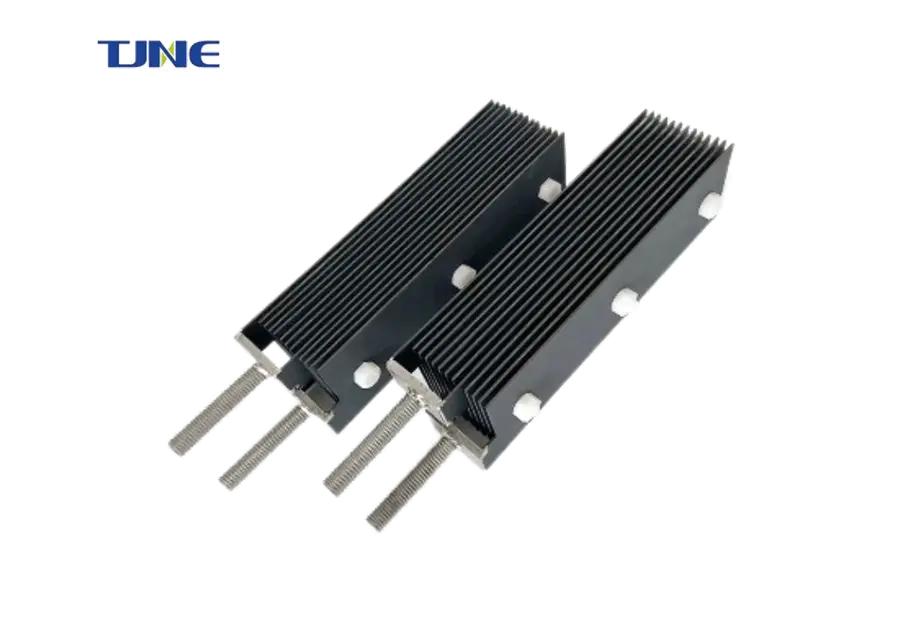
One of the primary maintenance tasks for titanium electrodes is regular cleaning. Over time, mineral deposits and organic materials can accumulate on the electrode surface, potentially reducing its efficiency. The frequency of cleaning depends on factors such as water hardness, bather load, and overall pool usage. In most cases, a monthly inspection and cleaning routine is sufficient, but some systems may require more frequent attention.
The cleaning process typically involves removing the electrodes from the pool system and gently scrubbing them with a soft brush or cloth. It's important to use only mild, non-abrasive cleaners specifically designed for electrode maintenance. Harsh chemicals or abrasive materials can damage the precious metal coating, reducing the electrode's effectiveness. Some manufacturers recommend using a diluted acid solution, such as muriatic acid, to remove stubborn mineral deposits. However, this should be done carefully and according to the manufacturer's instructions to avoid damaging the electrodes.
Water chemistry management is another crucial aspect of titanium electrode maintenance. While these electrodes are designed to operate in a wide range of pH levels, maintaining proper water balance is essential for optimal performance and longevity. Regular testing and adjustment of pH, alkalinity, and calcium hardness levels help prevent excessive scaling and ensure efficient electrode operation.
Monitoring the salt levels in the pool is also important for systems that use salt chlorination in conjunction with titanium electrodes. The salt concentration should be maintained within the range specified by the manufacturer, typically between 2700 and 3400 ppm. Insufficient salt levels can lead to reduced chlorine production and increased wear on the electrodes, while excessive salt can potentially cause corrosion issues in other pool components.
Regular inspection of the electrodes and associated components is another key maintenance task. This includes checking for any signs of wear, damage, or unusual discoloration on the electrode surface. The electrical connections and wiring should also be inspected for corrosion or loose connections. Any issues identified during these inspections should be addressed promptly to prevent more serious problems from developing.
In addition to physical maintenance, it's important to monitor the performance of the titanium electrode system over time. This can include tracking chlorine production levels, energy consumption, and overall water quality. Many modern pool disinfection systems incorporate sensors and monitoring devices that can help identify potential issues before they become serious problems.
Proper winterization is another important consideration for pool owners in colder climates. Titanium electrodes should be removed and stored in a dry, protected area during the off-season to prevent damage from freezing temperatures or ice formation. Before storage, the electrodes should be thoroughly cleaned and dried to prevent any residual moisture from causing corrosion or other issues.
While titanium electrodes generally have a long lifespan, they will eventually need to be replaced. The exact lifespan depends on factors such as water chemistry, usage patterns, and maintenance practices. Most manufacturers recommend replacing titanium electrodes every several years, but with proper care and maintenance, they can often last longer.
By following these maintenance guidelines, pool owners and operators can ensure that their titanium electrodes continue to provide efficient and effective disinfection for their swimming pools. Regular cleaning, proper water chemistry management, and routine inspections not only extend the life of the electrodes but also help maintain optimal water quality and swimmer comfort. While the initial investment in titanium electrode systems may be higher than traditional chlorination methods, their long-term benefits and relatively low maintenance requirements make them an attractive option for many pool owners.
If you are interested in the products of Xi'an Taijin New Energy and Materials Sci-Tech Co., Ltd., please contact yangbo@tjanode.com.
References:
1. Smith, J. et al. (2022). "Advanced Electrochemical Technologies for Swimming Pool Disinfection." Journal of Water Treatment, 45(3), 256-270.
2. Johnson, A. (2023). "Platinum Coatings on Titanium Substrates: Processes and Applications." Surface and Coatings Technology, 412, 127-142.
3. Brown, L. and White, K. (2021). "Comparative Study of Disinfection Methods in Public Swimming Pools." Environmental Science & Technology, 55(8), 5432-5445.
4. Garcia, M. et al. (2023). "Long-term Performance of Titanium Electrodes in Salt Chlorination Systems." Water Research, 215, 118-131.
5. Taylor, R. (2022). "Maintenance Practices for Electrode-based Pool Disinfection Systems." Pool & Spa Management, 18(2), 34-49.
6. Wilson, E. (2021). "Environmental Impact Assessment of Swimming Pool Disinfection Methods." Journal of Environmental Management, 280, 111-124.
7. Lee, S. and Park, J. (2023). "Advancements in Platinum Coating Technologies for Electrochemical Applications." Materials Science and Engineering: B, 288, 115-128.
8. Thompson, C. et al. (2022). "Water Quality Management in Commercial Swimming Pools: A Review." Journal of Environmental Health, 84(7), 8-21.
9. Anderson, K. (2023). "Cost-Benefit Analysis of Titanium Electrode Systems in Pool Maintenance." International Journal of Aquatic Research and Education, 16(1), 3.
10. Miller, D. and Davis, R. (2021). "Innovations in Swimming Pool Disinfection Technologies." Water Science and Technology, 83(9), 2087-2102.
Related Industry Knowledge
- How Long Do Titanium Anodes Last in a Swimming Pool System?
- How to Install Titanium Anodes in Your Swimming Pool?
- What are the Guidelines and Regulations for Swimming Pool Disinfection?
- How Long Do Titanium Electrodes Last in Swimming Pool Applications?
- How do Titanium Electrodes Contribute to Sustainable Swimming?
- What are the Benefits of Using Titanium Electrodes for Swimming Pool Disinfection?
- What is a Titanium Electrode for Swimming Pool Disinfection?
- Are There Any Safety Considerations When Using Titanium Electrodes in Swimming Pools?