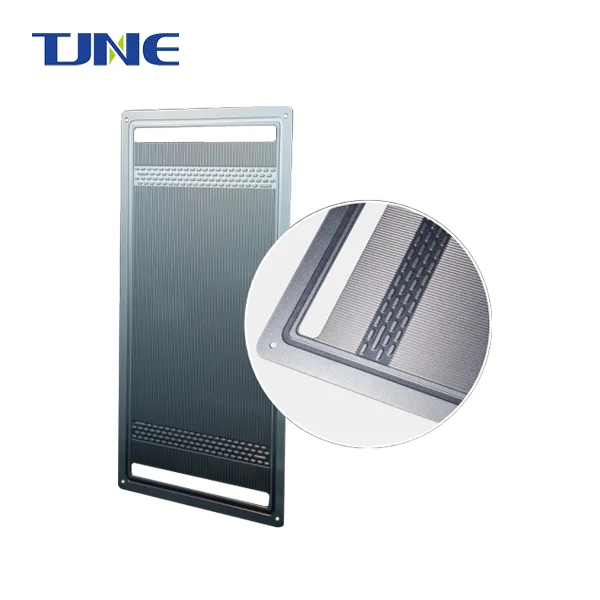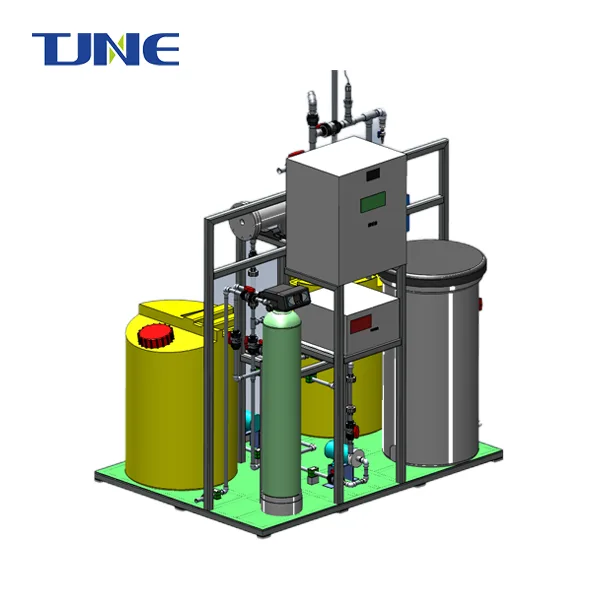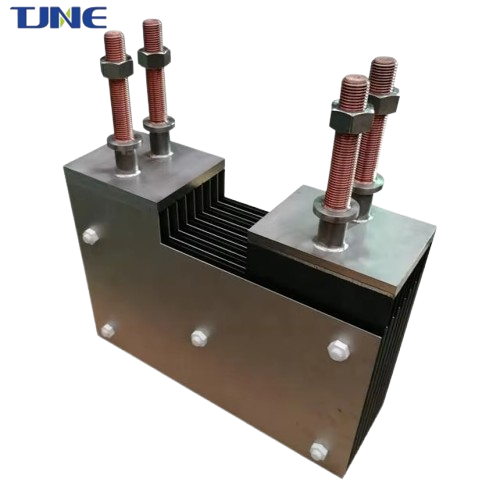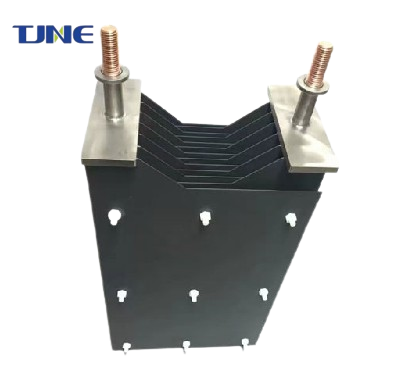
Ammonia nitrogen is a pollutant in water bodies and is harmful to the human body and the environment, so measures need to be taken to remove it. The removal of ammonia nitrogen anode is a largely effective and dependable result for the junking of ammonia nitrogen from colorful wastewater sources. It's designed to offer superior performance and long-lasting continuity to ensure optimal results. Removal of Ammonia Nitrogen Anode excel at converting toxic ammonia nitrogen from wastewater into harmless nitrogen gas or low-hazard byproduct, featuring high corrosion resistance and catalytic efficiency. It operates on the principle of chemical reactions, where the anode material catalyzes the decomposition of ammonia into harmless nitrogen gas. High-purity titanium is used as the substrate material which surface is coated with metal oxide layer. The anode consists of high-quality materials to withstand corrosive environments. It is designed to provide uniform distribution of electric current over the entire surface area, ensuring efficient ammonia nitrogen removal.

Technical advantages
Efficient catalysis: Metal oxide coating has high activity and can produce more active oxidative species, such as hydroxyl radicals during the electrolysis process, thereby improving efficiency of ammonia nitrogen removal.
Corrosion resistance: Titanium material has excellent corrosion resistance. Even in harsh electrolysis environments, it can maintain stable electrocatalytic performance and extend the service life of the anode.
Environmental performance: Unlike chemical treatments that require adding external reagents, Removal of Ammonia Nitrogen Anode replies on electrochemical reactions to treat ammonia and nitrogen effectively, avoiding secondary pollution risks like residual chemicals or sludge generation that often come with chemical methods.
Working Principle
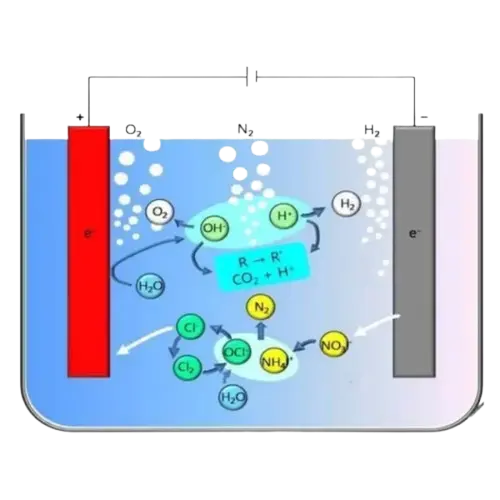
The primary goal of Removal of Ammonia Nitrogen Anode is to break down ammonia nitrogen into harmless products. This is achieved through two main electrochemical pathways, primarily occurring at the anode (oxidation site), with the cathode supporting reaction efficiency:
Direct Electrochemical Oxidation
In this pathway, ammonia nitrogen is directly oxidized at the anode surface without relying on intermediate oxidants. Under the force of direct current, ammonia nitrogen molecules in wastewater lose electron and undergo deposition.
Indirect Electrochemical Oxidation
This pathway uses strong oxidizing species generated at the anode to indirectly oxidize ammonia nitrogen. It is particularly effective in wastewater containing chloride ions (Cl-), a common component in industrial or municipal wastewater. Indirect oxidation is faster than direct oxidation in high-Cl⁻wastewater and requires lower anode catalytic activity, reducing material costs.
Application Area
Removal of Ammonia Nitrogen Anode finds several application in wastewater treatment:
Wastewater Treatment Plants
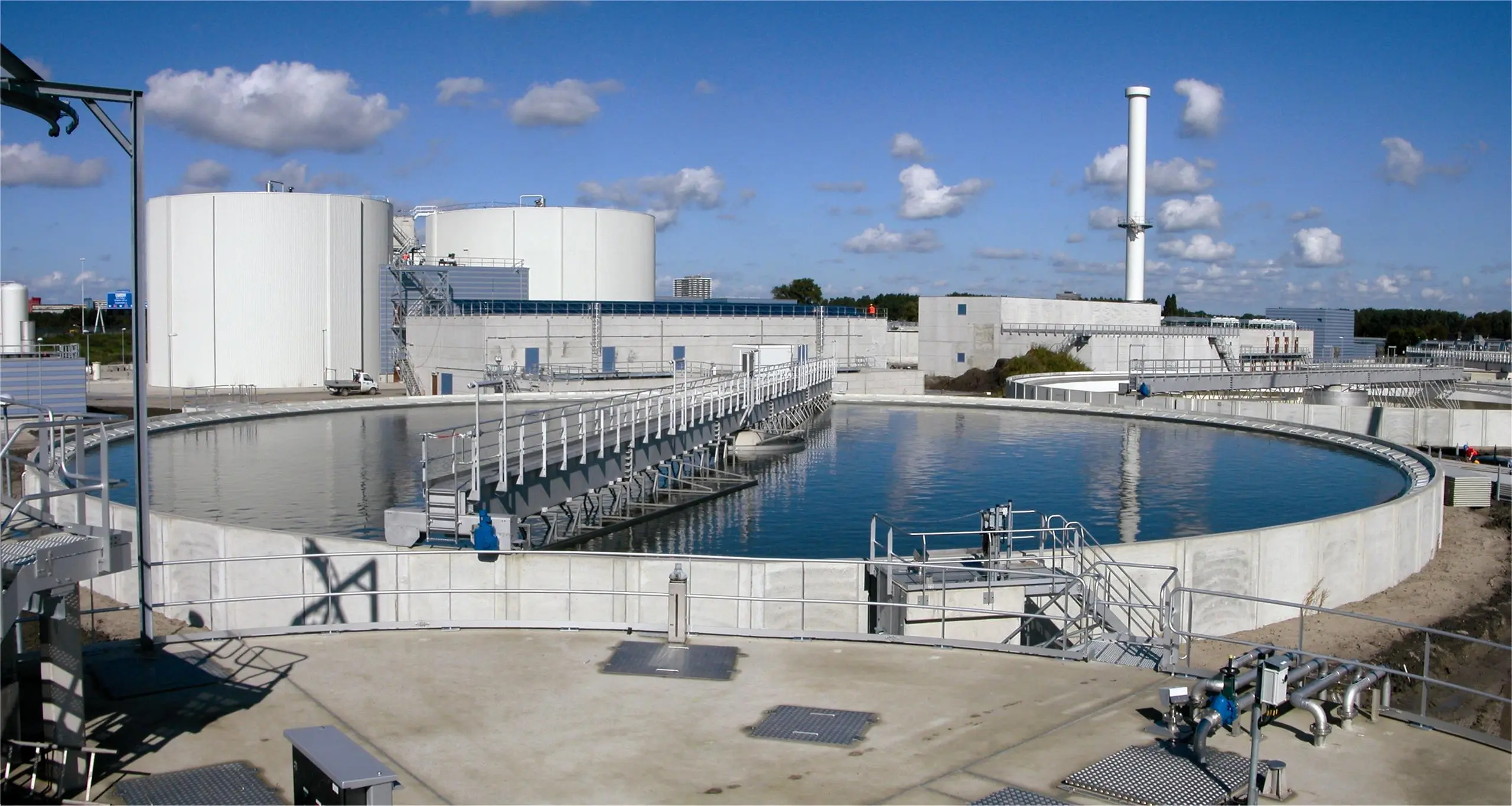
Removal of ammonia nitrogen anode can be utilized in wastewater treatment plants to facilitate the breakdown and removal of ammonia nitrogen from sewage and industrial effluents, ensuring that treated water meets environmental standards before being discharged into the environment or recycled.
Agricultural and Livestock Operations
In agricultural and livestock facilities, anodes can help in treating wastewater with high ammonia nitrogen levels, stemming from animal waste. This process ensures compliance with environmental regulations and mitigates the environmental impact.


Aquaculture and Fisheries
In the aquaculture industry, anodes may be used to reduce ammonia nitrogen levels in fish farm water, creating a healthier environment for aquatic life and promoting optimal fish growth.
If you are looking for a reliable and efficient Removal of Ammonia Nitrogen Anode, contact TJNE at yangbo@tjanode.com. We are a professional manufacturer and supplier with strong technical expertise, complete after-sales service, and certified testing reports. Our products are delivered quickly, securely packaged, and backed by our commitment to testing and quality assurance.