knowledges
What are the Environmental Implications of Using Titanium Electrodes for Ballast Water Treatment?
2026-07-02 14:40:11






The use of titanium electrodes in ballast water treatment systems has gained significant attention in recent years due to their potential to enhance treatment efficiency while minimizing environmental impact. As the shipping industry faces increasingly stringent regulations to prevent the spread of invasive aquatic species through ballast water, innovative technologies like titanium electrodes have emerged as promising solutions. This blog post explores the environmental implications of using titanium electrodes for ballast water treatment, examining their benefits, potential risks, and overall impact on marine ecosystems.
How do titanium electrodes improve the efficiency of ballast water treatment systems?
Titanium electrodes have revolutionized ballast water treatment systems by offering superior performance and longevity compared to traditional electrode materials. The unique properties of titanium make it an ideal choice for this application, contributing to enhanced efficiency in several ways.
Firstly, titanium electrodes exhibit exceptional corrosion resistance, allowing them to withstand the harsh marine environment and maintain their effectiveness over extended periods. This durability translates to reduced maintenance requirements and longer operational lifespans, ultimately minimizing the environmental impact associated with frequent electrode replacements.

Moreover, titanium electrodes demonstrate high electrical conductivity, enabling efficient electrolysis processes in ballast water treatment. This property is crucial for generating disinfecting agents such as chlorine, ozone, and hydroxyl radicals, which are essential for neutralizing harmful microorganisms in ballast water. The improved conductivity of titanium electrodes results in lower energy consumption, contributing to the overall sustainability of the treatment process.
Another significant advantage of titanium electrodes is their ability to maintain a stable and uniform current distribution across the electrode surface. This characteristic ensures consistent and effective treatment throughout the ballast water, maximizing the inactivation of potentially invasive species and pathogens. The uniform current distribution also helps prevent the formation of "dead zones" within the treatment system, where organisms might otherwise survive and pose a risk to marine ecosystems.
Furthermore, titanium electrodes offer excellent catalytic properties, enhancing the production of oxidizing agents during the treatment process. This catalytic effect improves the overall efficiency of the system, allowing for more thorough disinfection of ballast water with reduced chemical dosages. By minimizing the use of chemical additives, titanium electrodes contribute to a more environmentally friendly approach to ballast water management.
The surface area of titanium electrodes can be optimized through various manufacturing techniques, such as mesh designs or coatings. These modifications increase the active surface area available for electrochemical reactions, further boosting treatment efficiency. The enhanced surface area allows for greater contact between the electrode and the water, resulting in more effective disinfection and reduced treatment times.
Lastly, titanium electrodes exhibit low biofouling tendencies, meaning they are less likely to accumulate biological growth on their surfaces. This property is particularly advantageous in ballast water treatment systems, as it helps maintain consistent performance over time and reduces the need for frequent cleaning or maintenance. The reduced biofouling also contributes to more stable and predictable treatment outcomes, ensuring compliance with ballast water discharge standards.
What are the potential environmental risks associated with titanium electrode usage in ballast water treatment?
While titanium electrodes offer numerous benefits for ballast water treatment, it is essential to consider potential environmental risks associated with their usage. Understanding these risks is crucial for developing mitigation strategies and ensuring the overall sustainability of ballast water management systems.

One primary concern is the potential release of titanium ions or nanoparticles into the marine environment during the treatment process. Although titanium is generally considered non-toxic and biologically inert, the long-term effects of increased titanium concentrations in aquatic ecosystems are not yet fully understood. Some studies suggest that titanium nanoparticles may have subtle impacts on marine organisms, potentially affecting their growth, reproduction, or behavior. Further research is needed to assess the ecological consequences of chronic exposure to titanium particles in marine environments.
Another potential risk is the formation of disinfection by-products (DBPs) during the electrochemical treatment process. While titanium electrodes are known for their efficiency in generating disinfecting agents, the reactions involved may also produce unintended chemical compounds. Some DBPs, such as trihalomethanes and haloacetic acids, have been associated with potential environmental and human health risks. The specific types and concentrations of DBPs formed during titanium electrode-based treatment may vary depending on water quality parameters and operational conditions. Monitoring and managing DBP formation is crucial to minimize any adverse effects on marine ecosystems.
The use of titanium electrodes in ballast water treatment systems may also contribute to the generation of reactive oxygen species (ROS) beyond the intended treatment area. While ROS are essential for disinfection within the ballast tanks, their release into natural water bodies could potentially harm non-target organisms. Excessive ROS levels can cause oxidative stress in aquatic life, leading to cellular damage, reduced growth rates, and other physiological impacts. Proper system design and operational protocols are necessary to ensure that ROS generation is controlled and limited to the treatment process itself.
There is also a need to consider the potential for electrode degradation over time, albeit at a slower rate compared to other materials. As titanium electrodes wear down, there is a possibility of releasing microscopic particles into the treated water. These particles may accumulate in marine sediments or be ingested by filter-feeding organisms, potentially entering the food chain. While the biological impacts of titanium particles are generally considered minimal, the long-term ecological effects of continuous, low-level releases warrant further investigation.
The energy requirements of titanium electrode-based treatment systems should also be taken into account when assessing environmental implications. Although titanium electrodes offer improved energy efficiency compared to some alternatives, the overall power consumption of ballast water treatment systems remains a concern. The increased energy demand associated with onboard treatment contributes to higher fuel consumption and, consequently, increased greenhouse gas emissions from ships. Balancing the benefits of effective ballast water treatment with the goal of reducing the maritime industry's carbon footprint is an ongoing challenge.
Lastly, the production and disposal of titanium electrodes themselves have environmental considerations. The mining and refining processes for titanium can have significant environmental impacts, including habitat destruction, energy consumption, and greenhouse gas emissions. Additionally, while titanium is recyclable, the specialized nature of electrode materials may present challenges for end-of-life management. Developing sustainable production methods and effective recycling programs for titanium electrodes is essential to minimize their overall environmental footprint.
Can titanium electrodes in ballast water treatment help reduce marine invasive species?
The potential of titanium electrodes in ballast water treatment to reduce marine invasive species is a topic of great interest and importance in the field of marine conservation and shipping industry regulation. The effectiveness of these electrodes in controlling invasive species can have far-reaching implications for global marine ecosystems and biodiversity.
Titanium electrodes play a crucial role in electrochemical ballast water treatment systems, which are designed to neutralize or inactivate a wide range of organisms present in ballast water. These systems leverage the unique properties of titanium to generate powerful oxidizing agents that can effectively eliminate various forms of marine life, including potential invasive species.
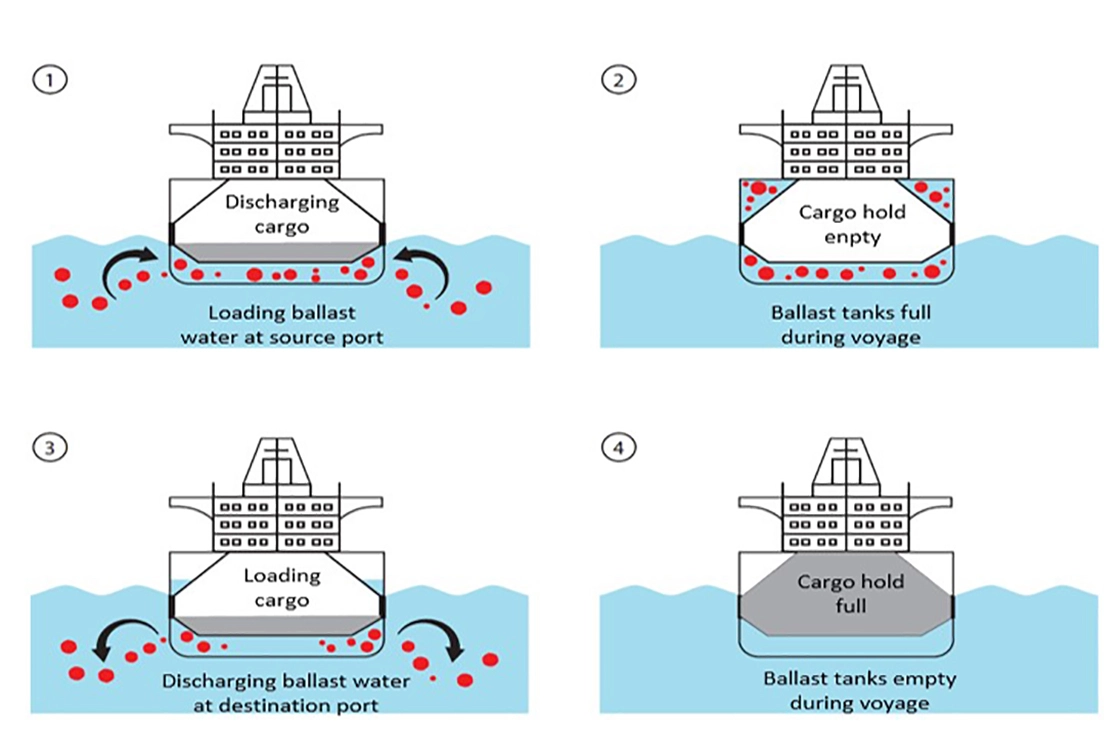
One of the primary mechanisms by which titanium electrodes contribute to reducing marine invasive species is through the production of chlorine and other disinfectants. When an electric current is applied to titanium electrodes in saltwater, it triggers the electrolysis of sodium chloride, producing hypochlorite ions. These ions are highly effective in destroying or inactivating microorganisms, including bacteria, viruses, and larger organisms like plankton and small invertebrates. By eliminating these organisms from ballast water before it is discharged, the risk of introducing non-native species to new environments is significantly reduced.
Moreover, the efficiency of titanium electrodes in generating oxidizing agents allows for rapid and thorough treatment of large volumes of ballast water. This capability is particularly important in addressing the challenge of invasive species, as it ensures that even in high-traffic ports with quick turnaround times, ships can effectively treat their ballast water before discharge. The speed and effectiveness of titanium electrode-based systems contribute to better compliance with international ballast water management regulations, such as those set by the International Maritime Organization (IMO).
Another advantage of titanium electrodes in combating marine invasive species is their ability to produce a range of oxidizing agents beyond just chlorine. Depending on the system design and operating conditions, titanium electrodes can generate ozone, hydrogen peroxide, and hydroxyl radicals. This diverse array of disinfectants enhances the treatment system's ability to target a broader spectrum of organisms, including those that might be resistant to chlorine alone. By employing multiple disinfection mechanisms, titanium electrode systems can provide a more robust defense against potential invasive species.
The durability and longevity of titanium electrodes also contribute to their effectiveness in reducing marine invasive species over time. Unlike some other electrode materials that may degrade quickly in the harsh marine environment, titanium electrodes maintain their performance characteristics for extended periods. This consistency ensures that ballast water treatment systems remain effective throughout their operational lifespan, providing continuous protection against the spread of invasive species.
Furthermore, the use of titanium electrodes enables the development of more compact and efficient ballast water treatment systems. This is particularly beneficial for retrofitting existing vessels, where space is often at a premium. By allowing for the installation of effective treatment systems on a wider range of ships, titanium electrodes indirectly contribute to a more comprehensive approach to preventing the spread of marine invasive species across global shipping routes.
It's important to note that while titanium electrodes offer significant advantages in ballast water treatment, their effectiveness in reducing marine invasive species depends on various factors. These include the proper design and operation of the treatment system, adherence to maintenance protocols, and compliance with ballast water management practices. Additionally, ongoing research and monitoring are essential to assess the long-term impact of these systems on both target and non-target organisms in diverse marine environments.
In conclusion, titanium electrodes in ballast water treatment systems show great promise in helping to reduce the spread of marine invasive species. Their ability to efficiently generate powerful disinfectants, coupled with their durability and versatility, makes them a valuable tool in the global effort to protect marine ecosystems from the threats posed by non-native organisms. As technology continues to advance and our understanding of marine invasive species improves, titanium electrode-based systems are likely to play an increasingly important role in safeguarding the world's oceans and waterways.
If you are interested in the products of Xi'an Taijin New Energy and Materials Sci-Tech Co., Ltd., please contact yangbo@tjanode.com.
References:
1. Werschkun, B., et al. (2014). Emerging risks from ballast water treatment: The run-up to the International Ballast Water Management Convention. Chemosphere, 112, 256-266.
2. Tsolaki, E., & Diamadopoulos, E. (2010). Technologies for ballast water treatment: a review. Journal of Chemical Technology & Biotechnology, 85(1), 19-32.
3. Moreno-Andrés, J., et al. (2018). Inactivation of marine microalgae in ballast water by an electrochemical advanced oxidation process. Water Research, 140, 377-386.
4. Lacasa, E., et al. (2013). Electrochemical disinfection of simulated ballast water on conductive diamond electrodes. Chemical Engineering Journal, 223, 516-523.
5. Zhang, N., et al. (2014). Disinfection of ballast water using a marine electrolysis device. Journal of Water Process Engineering, 1, 124-133.
6. Nanayakkara, K. G. N., et al. (2011). Electrochemical disinfection for ballast water management: Technology development and risk assessment. Ocean Engineering, 38(1), 186-196.
7. Guo, J., et al. (2016). Comparison of titanium and graphite anode in electrochemical advanced oxidation processes for degradation of trimethoprim. Chemical Engineering Journal, 306, 484-491.
8. Carlton, J. T. (1999). The scale and ecological consequences of biological invasions in the world's oceans. Invasive species and biodiversity management, 24, 195-212.
9. IMO. (2004). International Convention for the Control and Management of Ships' Ballast Water and Sediments. International Maritime Organization, London.
10. Gollasch, S., et al. (2007). Critical review of the IMO international convention on the management of ships' ballast water and sediments. Harmful Algae, 6(4), 585-600.




Related Industry Knowledge
- Why are Titanium Electrodes Specifically Used for Ballast Water Management?
- How Do Titanium Electrodes Contribute to the Efficiency of Ballast Water Treatment?
- What Advantages do Titanium Electrodes Offer in Ballast Water Systems?
- How Do Titanium Electrodes Contribute to Ballast Water Treatment?
- What are the Advantages of Using Titanium Electrodes for Ballast Water Disinfection?
- How do Titanium Electrodes Affect the PH Balance of Pool Water?
- Are There Any Safety Considerations When Using Titanium Electrodes for Ballast Water?
- What does a Ballast Water Titanium Electrode do?
- What are the Advantages of Using Titanium Electrodes for Ballast Water Management?
- Purifying the Seas: The Role of Titanium Electrodes in Ballast Water Treatment